Spotify’s Work From Home Revolution

Remote work from home is nothing new, and if we’ve learned anything over the past two years, it’s that WFH can be just as productive (if not more so) than working in an office.

But what if your company wants to adopt a WWYWB (Work Where You Work Best) policy? Lindsay Goring, Global Talent Acquisition Lead at Spotify, sat down with GoodTime’s Head of Customer Success, Lauren Costella to discuss options for remote work and the strategies that made their approach a success.

If you don’t have time to watch the full video, here’s the TLDR with the five main takeaways from the session.

Consider Your Remote Work Approach With A Globally Distributed Team

Spotify has implemented a strategy that enables employees to work from anywhere. Employees at Spotify are encouraged to view work as something they do, not a place they go. This enables great flexibility for employees to work fully remotely if they choose.

Though this strategy has been successfully implemented at Spotify, it’s not for every company. The fact is, there is no one size fits all option because you have to have the right infrastructure to support this work style, and the right strategies to implement these kinds of company policies. 

The way a company approaches these policies is one of the most important elements to consider. Spotify’s approach was very people-focused and they aimed to analyze what their employees needed to work their best. This meant that they had to provide flexibility for their employees because some of them worked best in a remote environment. 

This Is How Spotify Approached Work From Home: 

  1. Try to ensure that teams are within similar time zones to work seamlessly with each other instead of having 8+ hour time differences. 
  2. Set up multiple entities in different locations around the world so that those who do need the office can access it. 
  3. Choose specific regions when you’re looking to fill certain roles. 
  4. Allow employees to choose their work modes (office or home mix).

Prepare With Your Team

This is all about getting your team ready for change by understanding the goals and strategies used to make those changes a success. Preparation is also crucial for leaders to understand which employees prefer working in the office and those that prefer working fully remotely. 

It’s important to remember that it will take months to fully prepare for this kind of work environment because these changes can be quite drastic. Some roles have to adapt fully online, while others will need to be hybrid.

These Are Some of the Factors Spotify Had to Iron Out Before Getting Started: 

  1. Employee laws in different countries
  2. Payment methods for different currencies and countries 
  3. Co-working spaces for those who want office spaces in different locations
  4. Human resources and internal comms
  5. Training and retraining staff to adapt to remote work
  6. Getting the recruitment team ready

For Remote Work, Employer Branding Is Key

This is an important element in recruiting talented people because they need as much information about their employer as possible. Spotify has a dedicated website just for careers at the company to highlight the different roles available. This lets candidates see which roles are eligible to be fully remote and the ones that require office work. 

This kind of method is quite effective in employer branding because the website gives in-depth details about the roles as well as the company culture that candidates should expect. It’s better than just having a few hundred words on a job board that give very little knowledge about what the employer’s values are and what work mode options are available at the company. 

This kind of employer branding is fundamental because it ensures that candidates already know before they apply what kind of role they want and what work mode they are eligible for as well. 

Spotify’s Results

Once these kinds of changes are made within the company, it’s essential that people are measuring the level of results. Spotify has seen many great results and one of those is the increase of applications once they announced that they’d let people work from anywhere where eligible. This attracted many talented people based in different parts of the world. 

By allowing people to work from anywhere, they no longer had to turn down applicants who were unable to relocate due to personal reasons or COVID-related challenges. This leveled the playing field for applicants and gave them the chance to hire more talented people regardless of their geographic location.

Remote Companies: Time to Give Your Tech Stack an Upgrade

Having the right tools is critical for companies trying to move to remote work. Spotify works to ensure that collaboration is asynchronous by using tools like Slack, Workplace, and GoodTime.

GoodTime Hire’s automated, intelligent scheduling serves as a major asset to companies that have to navigate through different time zones with candidate schedules. This is one way that the Spotify team can automate coordination, eliminate manual work to save both time and money, and make the application process a positive experience for candidates. 

Learn more about how GoodTime Hire’s interview scheduling software can supercharge your recruiting to win top talent.

Does interview scheduling automation make sense for my team?

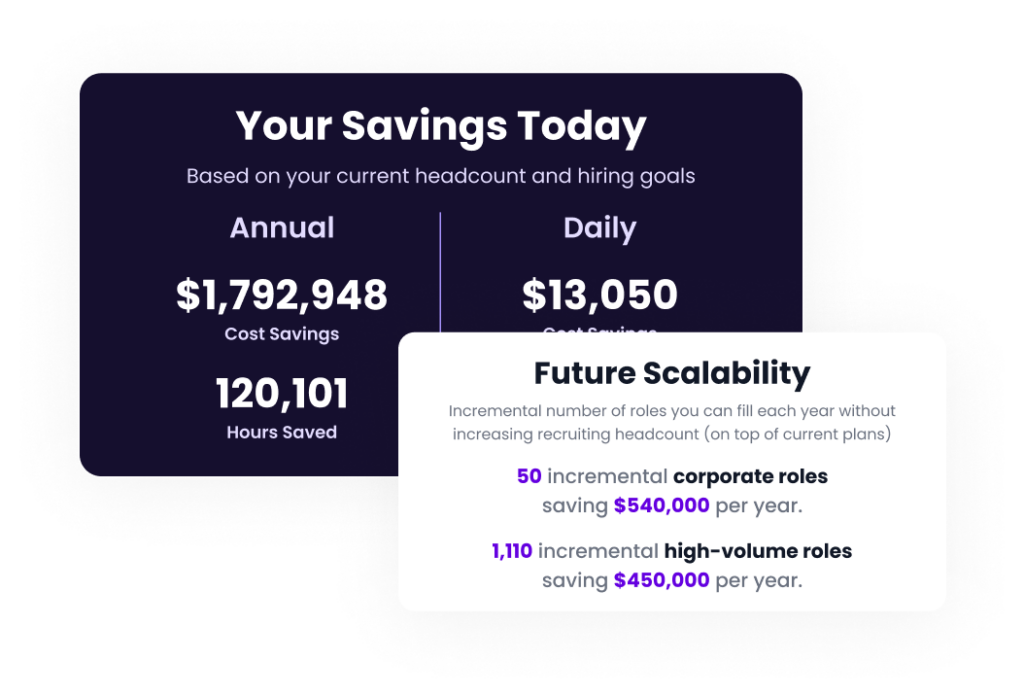
ROI is key. This is not a time to invest in software that won’t bring you immediate value. So let’s eliminate the guesswork with our free ROI calculator.
How to Run High-Quality Interviews in the Distance Economy

Interviews are a critical part of any hiring phase. But what happens when you have to undertake these interviews against the backdrop of an emerging distance economy? It’s more challenging when you have to undertake the interviewing process remotely. Unless you employ impeccable skills and tactics, you’ll likely miss the mark in your recruitment process. 

So, how do you ensure that your remote interview process is above board? Scott Parker, Director of Product Marketing at Goodtime, spoke with Siadhal Magos, Founder and CEO of Metaview. Here’re some useful takeaways from the LinkedIn Live conversation that can be handy for hiring leaders managing the remote hiring processes. 

Prepare Your Interviewers Like Your Company Depends on It

When it comes to building candidate relationships, there’s little room for error during remote interviews. The days of the fashionably decorated offices loaded with perks are done for the foreseeable future, so preparation and proper training are key.

In most cases, candidates anticipate a polished interview process with minimal hitches. Having specialized training paths to ensure you have the right people asking the right questions to the best candidates is everything.

The interview preparation phase involves more than just selecting a panel of interviewers. Preparation involves optimizing your tech stack, the questions being asked, the interview sequence (who’s asking what and at what stage), and the scheduled times for the interviews.

Unlike face-to-face interviews, where you have more leeways to make adjustments, there’s very little wiggle room for remote interviews, especially if they’re across multiple time zones. If you want to run a high-quality interview in the distance economy, create training paths and interview templates to scale your process efficiently while keeping it bespoke to each candidate and role.   

Train a Broad Pool of Interviewers 

The new distance economy means the candidate pool is far deeper, which could easily overwhelm your team. A mistake some hiring managers make is settling for a smaller interviewer pool, which exposes the team to two negative outcomes: burnout and a slow time-to-hire.

It’s critical to empower your interviewers both in skill set and in load balancing. If you anticipate interviewing 70% of the shortlisted talent, you need to have at least 30% of an equivalent number of interviewers to oversee the interviews. 

It’s essential to expand the interviewer pool when dealing with remote interviews. This way, you have room for diversity, increased productivity and better succession planning. Before commencing the interview process, empower the interview team in a way that they can manage the process seamlessly. It’s also important to note that your interviewers are the face of your brand. What they portray during the interview is what the interviewees will take as the actual representation of your brand.

Plainly: an exhausted and dismissive interview panel will absolutely send the wrong signal. Don’t let it happen. 

Invest in the Right Resources

It’s surprising how hiring managers can set a very high standard for the candidates, yet rarely invest as much in the interviewing team. The interviewer training process is helpful as it sets the standards when dealing with interviewers.

Properly trained interviewers can cut the actual time of recruitment by up to 50%. The quality of the actual interview process depends more on the skill level of the interviewers than on the number of panelists. An interviewer should have conversational skills and analytical capabilities when managing the recruitment process. Other aspects such as experience in managing people also come in handy.

As an organization, it’s essential to invest the time in training your interviewers. When dealing with remote candidates, specific skills are critical. Unfortunately, most of these necessary skills cannot be attained without a formal, standardized training. 

Vary Your Question Types 

The process of interviewing candidates encompasses both open and closed-ended questions. Sometimes, direct, closed questions during an interview save time. But in other cases, you also need to listen to what the interview has said in length about some topic areas. This is significantly more so when dealing with remote interviews. 

In most cases, open-ended questions are helpful in the modern distance economy context. Open-ended questions allow you to probe the candidates more and invite them into a conversation. It’s important to do this, since it will enable the candidate to feel at ease and blend into the conversation. It’s essential to set questions so that they invite a broad range of responses.

The future of hiring will witness a mix of remote, in-person and hybrid work settings. Open-ended interviews present a chance for interviewees to explain how they intend to ensure flexibility in response to the uncertain future. 

 It will also help put the interviewee on the different spot-on issues. On the other hand, closed-ended questions allow the interviewee to give short answers on direct matters. 

The Bottom Line

The distance economy continues to disrupt how businesses run and operate. Talent acquisition teams must adjust and adapt to this evolving world of remote hiring. Optimizing remote interviews is among the new norms that every TA leader must embrace to develop the best candidate relationship possible. 

Interview Strategy Basics: Build the Candidate Relationship

A seamless candidate experience has become even more elusive in today’s distance economy, where things move faster than ever. It’s a new world of work, and people use technology to collaborate from anywhere — a change that’s had an enormous impact on the priorities of job seekers.

Now, candidates expect employers to give them the work experience and flexibility they need in order to flourish — and rightfully so.

With so many people experiencing emotional, physical, and financial burdens from the fallout of the pandemic, they’re reevaluating what’s most important to them and starting to put their own needs first. They want to be part of a workplace that is aligned with their values, and where genuine professional connections and holistic support are the norms.

Remote work and virtual hiring have been a monumental shift for talent teams, and organizations that are winning the race for critical talent are now focusing on building candidate relationships throughout every single part of the hiring funnel. 

That’s why today’s talent teams need to provide candidates with a flexible, personal experience as well as authentic insight into the company, the role, and the team they’re considering. To help you make the changes that matter, consider how you can focus on the candidate relationship before, during, and after the interview.

How To Create Genuine Candidate Connections Before the Interview

Train Your Talent Teams

Cultivating genuine connections starts long before a candidate’s interview is even scheduled. It starts by training the people who make the first impression on the candidate — the interviewers.

This is critical, and here’s why — an interviewer’s performance is a direct reflection of your company. So, to create genuine connections, train your interviewers on these key practices:

  • Always treat candidates with respect and kindness.
  • Be attentive when they’re talking so you can better understand their needs.
  • Despite hectic schedules, use the interview to truly connect with candidates. Smile and nod to show you’re listening.
  • Allow candidates to engage in real conversations about the things that matter to them.
  • Help them feel heard and understood by asking them to elaborate or by reiterating what they’ve said.
  • To minimize bias, ask open-ended and behavioral-based questions.
  • Be transparent, and be prepared to answer questions about topics like culture and pay.

Promote Flexibility and Fairness

Flexibility is at the top of most candidates’ lists. Prove that your company values flexibility by making it a key part of the interview process.

Start by respecting candidates’ time and letting them self-schedule their interview appointments. Automated interview scheduling platforms empower candidates to select their own interview slot and even reschedule, if necessary.

Besides flexible scheduling, here are some other ways to provide a fair, flexible interview process:

  • Look for bottlenecks in getting candidates through the process and address candidate dropout. Optimize for efficiency and speed. Can you reduce the number of interviews to speed up the process?
  • Candidates may need accommodations —provide options and support for candidates with your interviewing technology.
  • Understand when life happens, and candidates need to reschedule.
  • Diversify your interview panels. The more trained interviewers on your hiring panel, the more diverse candidates you’ll be able to connect with as they’re able to envision a place for themselves in your organization.

How To Create Genuine Candidate Connections During the Interview

Promote and Enable Authenticity

Will candidates join your company if they feel like they don’t really know what you stand for and what it’s like to work with you? Probably not.

For candidates, transparency in the interview is a reassuring sign. And if you want to win the best talent, honesty, and openness should be the top goals for each interview. To do this:

  • Be up-front about potential challenges or deal-breakers. No one likes having their time wasted.
  • Foster honest, mutual conversations from the beginning.
  • Be open about job requirements and expectations.
  • Talk about compensation and benefits early.
  • Absolutely no ghosting!

Be Willing To Be Interviewed

Candidates are putting their priorities first, and it’s showing up in interviews — that’s right, they’re interviewing you just as much as you’re interviewing them.

Candidates want meaningful work. So, it should come as no surprise that they’re initiating discussions on wellness benefits, flexibility accommodations, growth opportunities, and DE&I initiatives (a topic that 33% of recruiters say they now get more questions about than in previous years).

And in a competitive job market like this one, you have to bring your A-game. That means welcoming candidates’ questions, and being prepared to answer them thoroughly. Ensure you leave plenty of time in the interview to answer their questions — in more than just a rushed moment at the very end.

How To Create Genuine Candidate Connections After the Interview

Give and Receive Candidate Feedback

The best talent teams build genuine relationships with empathy. And this goes two ways — by understanding the candidate’s perspective, and by giving the candidate helpful feedback.

Hiring teams need to actively assess how their interviews are being perceived by all candidates — whether or not there’s an offer on the table. To do this, create open doors for candidate feedback. Then, use that feedback to examine blind spots and uncover growth opportunities for developing future candidate relationships.

Along with candidate feedback, leverage data to understand and refine your process. Continually making small, incremental changes will have a huge impact over time.

For candidates that did not receive an offer, don’t just quit the relationship after the interview. Continue nurturing genuine connections by providing helpful feedback. Here are some tips:

  • Be honest but considerate, giving praise when appropriate.
  • Provide helpful tips for future interviews.
  • Keep in touch with candidates for future opportunities.

Companies That Put Candidate Relationships First Will Be Hard To Beat

In today’s virtual world, the best hiring teams understand candidate needs while delivering best-in-class experiences.

To create the most efficient, candidate-centric process, use hiring automation to maximize personal touch. With GoodTime, hiring teams can automate time-consuming, low-value tasks so they can focus on candidate relationships, instead.

To learn how GoodTime can help your company turn your talent strategy into a winning experience book a demo today.

How to Cultivate Great Candidate Relationships in the Distance Economy

It’s no secret that the global shutdown in March 2020 forever changed the way we work.

For most, the first phase of this so-called distance economy meant physically distancing ourselves from people we’d previously worked with side-by-side. But as the pandemic continued, many workers made a permanent shift, and jobs that were location-agnostic from the start became widely accepted.

Since then, we’ve gone from working in close quarters with co-workers to collaborating online from different corners of the world. Yet while productivity has soared, erasing the misconception that remote work is inefficient, both social connections and company culture have suffered.

People are responding to the perceived void of human relationships by prioritizing the very thing they’ve been missing — genuine connection.

How can talent leaders foster genuine connections when everything feels so…distant? It starts by understanding how to build the candidate relationship, and how it ultimately drives the entire candidate experience.

Improve Communication

Despite its many benefits, remote work also created a disconnect that left people craving more human interaction — even if that interaction happens virtually. That’s why when job seeking, candidates are eager to see how they might fit into a new remote environment in a meaningful way. 

During the hiring process, modern candidates look for collaborative exchanges — where they play a role in the conversation as much as recruiters and interviewers do. How can you enable this?

Begin Important Conversations Early

39% of candidates say they want candid conversations on job compensation from the start. Begin critical, decision-making discussions — things like compensation, work schedule, and specific expectations — early in the hiring funnel, not the end. Then, weave the same transparency into your company culture.

Don’t Underestimate Responsiveness

In a 2020 study, 63% of candidates report that most recruiters do not effectively communicate. In remote hiring, it’s more important than ever to keep the lines of communication open. Especially when the talent market is moving at the speed it is now. Candidates want clear and frequent interaction — so check in regularly, give them the information they need, and take the time to make them feel valued. 

Leverage Digital Tools

The only way to keep up with candidate expectations and remain competitive in this job market is by leveraging hiring automation. With an automated hiring solution, candidates can schedule interviews on their time, eliminating the back-and-forth communication that slows down the hiring process. And with the best candidate experience technology in place, recruiters can focus on building genuine relationships with candidates, one of the most rewarding parts of their work. 

Advocate Well-being

Yes, remote productivity is high; but it comes with a price. 

Working from home took a major toll on health, with 40% of people saying it negatively affected work-life balance. People everywhere are experiencing burnout. As candidates begin to put their well-being first, they’re looking for employers who will encourage mental, physical, and emotional health. Beyond great communication, candidates want to see employers demonstrate their commitment to employee well-being.

Now is the time to show candidates that you have concrete policies to support them as their home and work lives collide. Make wellness a pivotal part of your hiring process and show candidates that you’re dedicated to helping them thrive, both in work and in life.

Offer Flexibility

For many, the distance economy provided the unique ability to balance work and personal life — if done right. Now that candidates know what’s possible, they expect future employers to continue to be agile. Whether it’s full company shutdowns to recharge, no meeting days, flex time, walking meetings, or coaching and mental health resources — candidates and employees are looking for support from their employers.

With 70% of people saying they want flexible work opportunities, offering a remote or hybrid interview process is the first step to proving that you care. Then, model that flexibility in your workplace.

Invest in Growth

During the height of the pandemic, offering security was the main goal. Now that we’ve moved past many of those fears, candidates are prioritizing their future. They want to find meaning in their work — and regular growth and development are part of that equation.

Create a learning culture, where growth opportunities are always present. And show candidates that you support their needs by outlining opportunities your company provides.

Share Company Culture

The isolation of the pandemic drove many to rethink what they value in company culture — and trendy perks are no longer it. Now, they want to be part of a place that gives them a fulfilling experience.

Demonstrate Transparency

With the isolation of remote work, 37% of people say they have a harder time trusting leaders. As people are meeting less in person and more online, lack of visibility is a big concern.

Candidates want to know that you’ll hear their needs — yes, even from afar — and that you are committed to creating transparent relationships between leaders and employees. Show them what you’ll do to create those relationships from the beginning, and how you ensure remote employees are visible for opportunities.

Give Them Space to Share Their Authentic Selves

People want to be a part of a company that reflects the things that matter to them. For talent leaders, giving candidates the space to share who they are and what’s important to them is critical. Then, create discussions around your company culture and your unique mission and values. 

Expand DEI Efforts

Three in four people say DEI continues to be a top priority — a topic that undoubtedly should be part of your candidate messaging. Many candidates will not consider a company that does not have a clear commitment to DEI. 

A commitment to DEI starts on your website, then continues through the interview stage and beyond. Ensure diversity in interview panels so your candidates feel like they belong from the start by using interviewer selection tools.

The Candidate Relationship Is the Way Forward

As the future of work is forever changed, and the distance economy becomes routine, one thing holds true — hiring leaders that prioritize the candidate relationship will have better hiring outcomes. It’s that simple, and there’s no way around it.

The best way to stand out from the talent competition? Create a standout candidate relationship by being transparent, and maintaining an authentic, empathetic hiring process.

Candidate Relationship: 4 Pillars for Creating Lasting Connections

The candidate relationship is in style; but where did this concept come from?

For one, what candidates expect from their hiring experience is changing rapidly. This change is brought on by the “distance economy,” where an increasing number of people are working remotely, more and more jobs are location-agnostic, and fewer workforces have any kind of physical proximity to each other. 

Along with recent disruptions and ongoing uncertainties of the future, stress levels are high—and job burnout is even higher. And as a result, candidates all over the world seem to have decided that they want a chance to sit in the driver’s seat for a change.

Things that used to sway candidate decisions (remember nap pods?) are much less relevant in an increasingly virtual world. Now, candidates are looking for much more than a work experience that feels single-sided and staged; they want a genuine, mutual connection with their next employer, with plenty of opportunities to have conversations about what matters to them.

That’s why the candidate relationship is the new priority for talent teams and a critical piece of the hiring process that drives the entire candidate experience.

To build a strong candidate relationship, start by understanding these four key pillars:

Pillar 1: Genuine Connection

16% of remote workers cite loneliness and communication difficulties as their biggest struggle in this distance economy. The paradox is this: The further candidates get physically from their workplace, the closer they want to feel.

As a result, many candidates are craving more emotional connectedness from their professional relationships than ever before.

Yes — they still want remote and hybrid opportunities, but more than that, they want a company that creates digital experiences with genuine connections. Many conversations have moved online; in turn, people are missing the human engagement they used to get from in-person meetings and shared lunches.

With 72% of candidates rejecting job offers because they don’t feel connected to the company culture, now is the time for talent leaders to level up their candidate communication game.

Pillar 2: Transparency 

First impressions matter. And as remote hiring becomes the new norm, they’re more important than ever. Without face-to-face interactions, hiring leaders are forced to find new ways to reflect their company culture and outline job expectations.

One way to accomplish this is with abundant transparency. 39% of people say they want clear communication about pay in the initial job post so that they don’t waste their time applying for jobs that don’t match their financial goals. When companies are upfront and honest — from the beginning — candidates are more likely to trust that there won’t be unwelcome surprises down the road.

Beyond transparency in job expectations, candidates also want to see employers take a clear stance on fair practices that support diversity, equity, and inclusion. The desire for an equitable work culture continues to trend upward, with more and more candidates looking for open, action-backed conversations about the steps employers are taking to drive progress.

Pillar 3: Adaptability

Now interviewing at 4x as many companies as they were before the pandemic, candidates intend to be much more selective than they were able to be in years past. So even with companies promising sought-after benefits like flexibility and professional development, drop-off rates will continue to soar for hiring processes that are hard to navigate.

For candidates, the hiring experience is an indicator of what the employee experience will be like. When it’s clean and simple, and when candidates feel seen and valued, they can feel confident that’s how they’ll feel like an employee, too. A prime example is flexibility — a need that has grown by 12% in the last year. When flexibility is prioritized during the hiring process, candidates rest assured that it will be part of their future employment, too.

When hiring leaders leverage automation for both speed and simplicity, it’s a one-two punch: candidates are happier, and recruiting teams end up with the ability to adapt to every candidate’s need and focus even more on creating a genuine candidate relationship.

Pillar 4: Candidate Well-Being

Ever since the pandemic began, employee well-being has topped the list as one of the most important benefits candidates want out of future jobs. This should come as no surprise — the stress of the pandemic drove many to resign from their jobs and start putting their personal well-being first.

But quite often, there’s a disconnect between employee mental health challenges and the empathy employers show for these challenges; those who take action to understand and improve health and well-being are the ones that will attract the best candidates.

Companies that invest in benefits, such as more leave, hybrid work opportunities, flexible schedules, training and development, and mental and physical health programs will see enhanced productivity, loyalty, and engagement.

Make the Candidate Relationship Your Focus

In today’s candidate-driven market, candidates are interviewing you as much as you are interviewing them

To start building winning candidate relationships, it’s time to think beyond great scheduling. Hiring leaders need a full hiring solution that will give candidates flexible, professional experiences and unique insights into the company and the role they are considering.

GoodTime Hire’s automated interview scheduling helps you coordinate faster, hire more efficiently, and free up bandwidth for connecting with talent. (Plus, you’ll save major time and money along the way).

Discover how GoodTime Hire’s interview scheduling software can help you transform your candidate relationships.

5 Key Takeaways: Meeting the Expectations of Candidate Experience

Since March 2020, talent acquisition leaders contended with near-constant changes in both how they approach candidates, as well as sourcing top talent. The question is how to approach the remote work environment efficiently and conduct not only effective interviews with candidates, but also run interview processes that build the candidate experience and create excitement over the new role.

Teddy Chestnut, Chief Revenue Officer from BrightHire, spoke with Scott Parker, Director of Product Marketing for GoodTime, and shared smart recommendations for interviewers faced with the ever-changing recruitment landscape. Here are the key takeaways from their LinkedIn Live, with actionable steps on improving how you train your interviewers and how your team approaches the recruitment process.

“Being remote is no longer an excuse for not having your hiring plan together.”

— Teddy Chestnut, Chief Revenue Officer at BrightHire

1. “The New Normal.” It’s Pretty Much Just Normal Now

The pandemic afforded hiring teams the opportunity (or challenge, depending on your take) to manage the interview process using Zoom and other virtual tools to connect with and communicate effectively with candidates. Teams and candidates alike are now accustomed to having remote communication for interviews, and reverting back to less efficient processes isn’t likely.

Teams have pivoted their plans to remote, hybrid, and flex models to capture top talent.  Having buy-in on a plan that speaks to the future of work is critical. “Being remote is no longer an excuse for not having your hiring plan together,” says Chestnut. 

2. Building Adaptable Teams Is a Non-negotiable

Companies that do not provide flexibility for their candidates are at a distinct disadvantage because now candidates prefer to have the option to work from anywhere.  Because of the new hiring processes teams have been forced to implement, employees are increasingly requiring more interviewer training, and teams need to update their tech stacks to optimize core hiring metrics.

Building a resilient team that not only thrives in a remote work environment, but also demonstrates to prospective candidates the positive culture created in a distributed workforce, makes all the difference when sourcing new talent in this ever-competitive market. 

3. Help Interviewers Avoid Distracti… Look at This TikTok!

Now that many of us work 100% remote and are far more accessible, calendars are filled to maximum capacity. Because of constant access to news and by social media, it’s harder to tell if a remote interviewer is distracted versus when they were in person, because they can’t just grab their phones in the middle of interviews. The challenge today is for interviewers to give their candidates full attention so that the interview process can be as effective as possible.

When the calendar is full with back-to-back meetings, and Slack, WhatsApp, and Gmail constantly send notifications, it’s much harder to concentrate in an interview fully. Candidates can quickly tell when their interviewer is not giving them their full attention, which can create a negative experience that they might write about on Glassdoor.

Those negative reviews could deter potential candidates from even considering applying for a position at your company. Teams need to help interviewers focus on the task at hand, and work hard to avoid distractions in order to create a positive candidate experience.

4. Great Candidates Have Lots of Options (And They Know It)

Since the start of the Great Resignation, it’s been clear that the hiring process has greatly changed. Almost all candidates have other offers, even when they’re sitting right in front of you in an interview.

Interviewers need to remember that candidates have other options, and probably have other people giving them offers for a job. This means that interviewers need to make sure that the company is communicating the value that it can add to the candidate. The candidate also needs to make sure that they present themselves in the best way possible. 

Things have drastically changed with the dynamic between the candidate and the interviewer. This creates a sense of urgency between the interviewer and the candidates and it makes the interviewer keenly aware that they have to make sure that the scheduling works well and they’re not skipping interviews. Otherwise, these candidates can easily take a different job offer because of a delay caused by the interviewer.

5. Training Interviewers Is the New Non-negotiable for 2022 

When you’re in a situation requiring an interview where you have to have over seven hours of interviewing a day, logistics become challenging. Interviewers have to take time to do candidate research, write the feedback, and have time for preparation even before the interview starts.

Interviewers must have the right training to know how to interpret what they learn about the candidates they’re interviewing. When the interviewers are trained with the skills needed to manage remote interviewing, the interview process will be so much more efficient than it would’ve been if they were not well trained — or worse, not trained at all. 

Time To Elevate the Candidate Experience With Interviewer Training

Train interviewers how to create an amazing interview experience— then teach them to trust the process.

The time is now to implement interviewer training. GoodTime helps you train interviews with ease, giving you one hiring experience solution that lets you track interviewers and their progress and train them at scale. GoodTime gives you the confidence that your selected interviewers evaluate candidates effectively.

Want to learn more about the positive difference GoodTime can make? Sign up for a demo now. 

5 Key Takeaways: Building an Employer Brand Strategy at Postmates

How’s your employer brand strategy? 

Amid The Great Resignation, compensation and role alignment aren’t enough to snag top talent. 

Creating a smart employer branding strategy attracts more ideal candidates by providing a clear, specific, and unique point of view as to what life is like within your organization. Employer branding also demonstrates company values in a way that helps candidates see themselves with a given company. 

And now more than ever before, company values matter deeply to job seekers. This is why taking the time to build a solid employer branding strategy is the secret sauce in capturing top talent. 

Every TA leader understands the importance of company culture as it’s seen through the eyes of current employees. By leveraging that knowledge, hiring teams can develop an authentic employer brand strategy to appeal to their ideal candidates.

Here are five key takeaways from the webinar with Pete Lawson, former VP of Talent at Postmates, on building an authentic employer brand strategy at Postmates. 

1. Turn on the Discovery Channel

Discovery interviews are the first step toward building an authentic employer brand strategy. They provide the opportunity to see the company through the eyes of the employees. Lawson’s team asked employees questions such as:

What’s it like to be a part of the Postmates team?
What’s their background?
What are their goals?
What’s compelling about their organization?
What do you feel is working?
What do you feel is not working?
Where do you feel undervalued?

Determining the company’s strengths and weaknesses from an employee’s perspective was valuable feedback that allows them to continuously improve as an organization.

Talent competitor analysis was important for Lawson’s team to pinpoint who Postmates was competing against for talent, and how they are currently showing up in the market. The team focused on key areas including:

How’s their employee value proposition (EVP)?
What’s their voice or tone?
What’s their brand reach?
What does their community engagement look like?
What do their mobile apps look like?
How can they gain a competitive edge as an organization?

A digital audit was deployed and combed through their primary mediums including:

  • Career site
  • Job description pages
  • Corporate blog
  • Social media
  • Glassdoor page
  • Github

The team used this method to identify some of their biggest gaps, to gather opportunities for improvement, and to determine where they needed to build more infrastructure. 

2. Communication Is Key During Development

The second phase was to utilize all of the insights collected during phase one to develop a brand narrative, finalize a digital recruitment strategy, and iron out the EVP narrative.

Lawson and his team developed a methodology as to what makes the experience of working at Postmates so unique. They accomplished this through a series of workshops where employees from different departments across the organization provided a wide range and variety of experiences and opinions. 

Using this valuable employee insight, they delivered recommendations for the tagline, the brand’s voice and tone, and the EVP framework. Hearing directly from Postmate employees about what makes the company culture strong, unique, and conversely the areas in which they could improve, was one of the driving forces behind how they arrived at this EVP. 

At this stage, it was crucial to align with the marketing team to get buy-in from them early on in the process. Having meetings early on helps all members understand the end goal, and can provide a roadmap toward the final destination. Getting that buy-in at this stage ensured that they had the opportunity to collect critical information, and understand who on the team they should expect to meet with on a regular basis.

These early stage meetings also allowed them to gain a greater understanding of their concerns regarding this project, what they are most comfortable with, and even some aspects that they’d prefer to avoid during this development phase.

During these meetings, they created project milestones to hit along the way, and gave access to the branding toolkit, and any other materials they had from a branding standpoint. This helped them stay on brand as they developed their strategy and finalized the EVP. 

Having in-depth communication with the team from the start allowed them to build their treatment, and establish themselves as the experts. They were then able to communicate that they understood the objective, company mission, and the desired outcome.

3. The Execution

After all of the hard work that was put in during phases one and two, the execution phase is where they really started to have fun with it. During the execution, they:

  • Rolled everything out
  • Activated the EVP
  • Built out the content creation and analytics dashboard
  • Created the job posting guide
  • Implemented the technology for candidate experience

At this stage, they leveraged the EVP and brand narrative to establish their target audience. They asked themselves what kind of personae and personalities they hoped to attract.

At Postmates, one of the key targets was to highlight female engineers and employees wherever and whenever possible. By including testimonials and photos on their microsites, they increased female representation, which encouraged more women to apply.

This is a much more effective method than simply saying, “we are hiring female engineers.” It was important to them that they really represent the female population, and share their first-hand experiences working at Postmates. This was a great way for candidates to connect with and relate to actual employees, rather than simply hearing the information from a recruiter.

4. Recruiting Ideal Candidates

A job posting guide was built to help make job posts more candidate-centric and on-brand, outlining key sections, examples, templates, and messaging resources as they related to the targeted personae. These would ultimately empower hiring managers to write better job descriptions with the narrative they created. The team wanted the job descriptions to paint a picture of the impact the candidate would make within the organization, and provide more detailed descriptions of the role.

As they interviewed prospective engineers, the hiring team heard a variety of stories concerning the impact they’re making during the COVID-19 pandemic. They wanted to ensure that they’re intentionally highlighting what it was like being an engineer at Postmates during COVID-19, and how their employees were treated during this time.

Video content was key. The team created employee-generated video content during the pandemic, and highlighted some of the shared experiences of employees throughout the organization. They made it a point to highlight their female talent, and how they are empowered to make an impact by building technology to support at-home workers during the pandemic.

This powerful campaign allowed Postmates to give candidates an intimate look at the impact their engineers have in their organization, using raw experiences to generate a narrative to help articulate the company-wide impact engineers have at Postmates. 

The employee-generated video content provided a rare opportunity for potential candidates to build a virtual connection with the employees they’re seeing, who they could easily look up on LinkedIn to verify identity. They prioritized authenticity, and gave candidates an opportunity to envision themselves working at their company.

Candidate experience was next level with GoodTime. Postmates’ team hosted the material that was created during the first couple of phases to create content for their site. Each touchpoint that the candidates had throughout their interview experience was imbued with this new branding and messaging. GoodTime freed up time on the employee side, allowing more time to create content and take care of bespoke, personal details to further elevate the candidate experience. The goal here was to provide candidates with the same feeling that a customer would get from interacting with their brand. It was also important that their mobile app would make it quick and easy for candidates to schedule their interview.

5. Preparation Equals Payoff

After all of this planning and execution, the Postmates hiring team was excited to see the fruits of their labor. Theming the strategies described in the above sections, they saw:

  • 80% increase in applications between September 2019 and September 2020
  • 91% increase in female applicants, an essential part of their mission
  • 30% increase of minority applicants and a significant increase in candidate quality
  • 50% of their applicant pool either “met” or “exceeded” the job requirements, and 
  • 46% of applicants were considered a “strong match” compared to September of 2019

They saw a huge increase in engagement on LinkedIn, and were  honored with a number of awards, including:

  • Best Place to Work in the Bay Area
  • Company With Best Benefits – New York
  • Company With Best Benefits – Seattle
  • Company With Best Benefits – Bay Area
  • Best Paying Company – Bay Area

If you want to watch the full session, check it out here. 

2021 Wrap Up: Key Takeaways From Top Talent Leaders

A talent leader using GoodTime.

Chief among the concerns of talent leaders in today’s hiring market is, of course, the growing talent shortage. 

With more jobs on the market than there are people looking for work, recruiters and employers are rightfully worried — so much so that most believe the shortage will negatively impact their business in the long run.

The best talent leaders are asking the right questions and rethinking their entire recruitment strategy. GoodTime recently sat down with several of them to discuss three of the hottest topics they face in this new world of work:

  1. Virtual recruitment and the hybrid workplace.
  2. Advancing diversity and equity within the interview process.
  3. Using data to make better hiring decisions.

What emerged from these discussions was an overwhelming agreement that the best hiring decisions start by understanding who candidates are and what they expect from their potential new employer. Here are five takeaways from each key area to help you navigate hiring. 

Virtual Recruitment and the Hybrid Workplace

  1. Competition for the most talented employees has skyrocketed since pre-pandemic times, with the average candidate interviewing at 4x the number of companies as they did before.
  2. The employer who’s first in line to make an offer to a candidate only has a 50% shot of having that offer accepted. And if you’re not first, that percentage goes down dramatically. 
  3. Companies are kicking hiring pipelines into high gear at 2.3x a higher rate to meet current hiring demands.
  4. 77% of employees want more flexibility to work when and where they want.
  5. Candidate searches for remote work have gone up by 460% since 2019.

Advancing DEI Within the Interview Process

  1. An overwhelming majority of job seekers — 70% — want to work for a company that prioritizes DEI.
  2. Failing to demonstrate a commitment to DEI during the interview stage, which lasts an average of five hours with your company for most candidates, is a huge missed opportunity.
  3. At least 63% of interviews do not represent women, which greatly reduces the likelihood that those candidates will accept an offer.
  4. Female candidates are 2x more likely to accept a job when a female interviewer is part of the panel.
  5. Emerging technology, like GoodTime’s Intelligent Interviewer Selection, gathers data and provides insights that continuously refine an inclusive interview process.

Using Data To Make Better Hiring Decisions

  1. Access to candidate data is imperative to understanding who candidates are and what they want.
  2. When there are five or more trained interviewers per role, candidates are 95% more likely to find an interview time that fits into their schedule.
  3. By empowering candidates to self-identify as members of a minority group, they can be matched to interviewers who represent shared commonalities.
  4. The majority of the talent leaders we spoke with emphasized the importance of leveraging data to get approval on spend for strategic hiring initiatives.
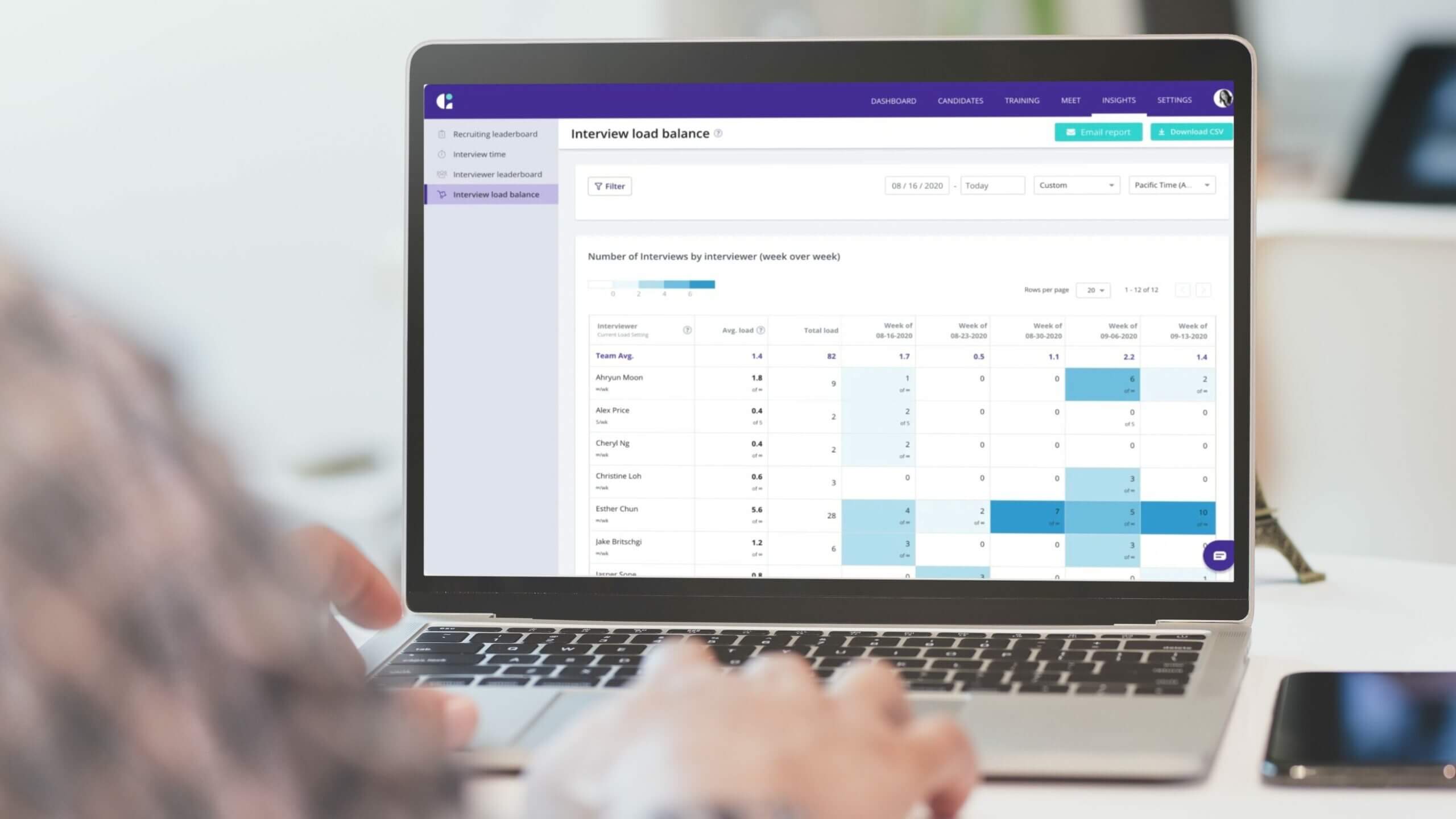
  5. Just as important as the interviewee experience is the interviewer experience. Leveraging technology to manage load balance guards against some interviewers carrying a disproportionate amount of the interview load.

The Bottom Line

When hiring teams have the tools they need to listen to candidates, effectively train interviewers, and assess the right data, better and faster hiring decisions are born.

GoodTime lets you do all of this and more.

How To Win Top Talent During the Great Resignation

A wave of resignations has hit the job market as millions of employees leave their jobs. As per the U.S. Bureau of Labor Statistics, 4.3 million Americans quit their jobs in August 2021. What’s more, the scenario is spreading across the globe.

The pandemic has given many employees the chance to work 100% remotely. That shift in the zeitgeist that has significantly altered expectations away from the traditional workplace.

To say that the changing landscapes in the time of The Great Resignation have made recruiting top talent challenging would be a drastic understatement. 

Here’s the good news. There are steps that hiring teams can take to beat the competition for top talent. 

Promote Your Mission Statement

The Great Resignation has been a time where employees consider the deeper implications of a job and the value they offer in the larger context. Today’s employees try to find fulfillment through work in more ways than ever before.

A mission statement tells the world what  your company stands for, which gives both employees and candidates a sense of culture and camaraderie to align toward. It expresses the objective of a company and helps employees to focus on a purpose. A well-crafted mission statement helps employees stay engaged with the company in a way that can boost morale. 

A mission statement will also help develop the vision and values of a company. This will help employees get a clear understanding of what they’re working for.

Create an Authentic Interview Experience

Impressing the right talent during the interview is one of the best ways to make your company stand out from the competition. Here are a few simple steps with which you can impress the right candidates during an interview.

  • Send an interview agenda to the candidate with additional information about the brand and social media highlights.
  • To make the work culture stand out, prepare a short video about the future teams the candidate will be working with. Make sure to highlight the fun aspects of the work culture.
  • Stay authentic during the interview and be truthful about the present business scenarios. Highlight statistics that make the company a great place to work and share future visions.
  • Always provide a timeframe by when you will convey the results to the candidate. Even if the candidate is unsuccessful, connect with them or send a quick email with thanks. Explaining the interview roadmap clearly is also a good idea.
  • Keep in mind, the candidate will be excited if you show enough enthusiasm and make them feel wanted in the company.

It’s Work-life Harmony, Not Work-life Balance

In the past 18 months, the concept of work-life has undergone a tectonic shift as employees continue to essentially live at their workplaces. Developing a culture that supports harmonious work-life integration can be a key factor in winning the race for talent. 

This makes it important for companies to develop a flexible work culture. Flexibility makes it easier for employees to find the right harmony between work and personal life. In turn, this allows employees to be in their best condition, both physically and mentally.

Adapting a hybrid work culture offers employees the best of both worlds. Employees feel more empowered and the chances of retaining a talent pool greatly increase.

Invest in Leaders and Managers

Choosing leaders and managers with the right vision can make a big difference in retaining your talent pool. In fact, managers play a big role in improving employee productivity and engagement.

Leaders need to listen to the opinions of Gen Z employees and get to know them at a personal level. Since every employee is different, it takes time to understand what matters to them. 

But this knowledge can be a powerful tool for empowering managers. It can help them plan personalized career advancement plans for their team members.

This requires managers to interact and engage with the team and support the individual growth plans of the team members. Since there is no one-size-fits-all solution for retaining talent, training the managers in the right manner for this activity is extremely important

Focus on Employee Wellness

Two of the most common factors that lead to employee resignations are stress and burnout. Quite simply, overworked employees are not happy employees. When the majority of people work remotely, ensuring employee wellness can be even more challenging.

It’s important to connect personally with employees and engage in conversation. The tried and tested tools of praise and recognition can work effectively in all scenarios. Some other effective tools include hosting virtual wellness sessions, workout plans, offering vacations, and granting sabbaticals.

Quite simply, it’s important to create top-notch employee experiences across the platform. Make sure to gather feedback and follow up with data-driven decisions to improve employee satisfaction levels. A comprehensive employee wellbeing strategy is a must for higher employee engagement and performance.

Next Up: Candidate Relationships and The Great Reshuffle

The Great Resignation shows no signs of slowing down. Some say it’s evolving into The Great Reshuffle. Companies cannot remain complacent, lest they lose their competitive edge. In this hyper-competitive market, it’s essential to attract and engage talented candidates as quickly as possible, and keep them engaged continuously, regardless of whether they become employees.  

COVID-19 brought the need for hiring teams to gain a deeper understanding on the candidate relationship and the two-way street that’s developed in this candidate-driven landscape. It’s absolutely critical for TA teams to understand how wellness, culture, values, and mission come across to their candidates, and then reflect on the methods that deliver the best candidate experience.

Because their talent competitors? They’re not waiting to win.

GoodTime’s Ahryun Moon on Candidate Experience and the Future of Work

Editor’s note: The original interview with WorkTech is from July 2021. Watch it in full here.

GoodTime CEO Ahryun Moon met with WorkTech’s George LaRocque to discuss how GoodTime does more than just automate the administrative aspects of the hiring process for TA teams. Ahryun discusses her experience raising funds in a pandemic, the GoodTime roadmap, and the impact GoodTime delivers on diversity and inclusion in recruiting.

“Candidates get almost a consumer-like experience when they schedule an interview.”

— Ahryun Moon, CEO at GoodTime

At its core, the hiring process revolves around hiring managers, based on availability and the employer’s timeline. With the rising demand for talent, especially tech-enabled hires, the pitfalls of the traditional recruitment model cannot be ignored any longer. Companies that take too long to hire miss out on high-caliber candidates, leading to potential candidate frustration and the risk of reputation damage. Paired with shifting priorities and more employees placing happiness over a pay raise, there’s a need to reshuffle the dynamics for better hiring.

“GoodTime transforms the interview process. First of all, we’ve completely removed the hassle of emailing back and forth. Candidates get almost a consumer-like experience when they schedule an interview,” Ahryun shared. 

Placing talent at the forefront of recruitment, GoodTime Hire makes the process easier for both recruiters and candidates alike. Besides scheduling automation, the platform goes one step further by using an AI-powered algorithm to provide tailored experiences.

Unlike legacy scheduling tools, GoodTime’s ultimate goal is to transform the way that interviews are made and conducted – starting from pre-interview processes like training.

“Our technology tracks the interviewer database, so you can store your interviewer’s relevant attributes. Based on those attributes, you can schedule the right interviewer to the given candidate,” Ahryun continued. 

Along with that, the platform provides interviewer training to fully equip hiring professionals with proper training. The system also uses data and insights that you wouldn’t get from an agent.

How this plays into the paradigm shift in the employment market is that candidates now get a say in who they speak to and their comfort levels. It also puts an emphasis on how interviews are a two-way street. Both parties play a part in contributing to a successful meeting. To illustrate this, Ahryun brought up an instance where clients would question the lack of female hires due to rejection, while not actually honing in on the root of the issue: when these candidates meet with an all-male board and get turned off by the job environment.

Scaling Relationship Building

“The real magic happens when candidates meet with interviewers, they hit it off, have amazing conversations.” Ahryun stated, when talking about how organizations scale their operations by building larger candidate pools and overlooking the actual candidate experience. On the other hand, an unstructured process leads to breakdowns and recruitment woes while scaling operations.

Building an optimal environment for candidates could also ramp up diversity and inclusive hiring, an important aspect for companies to stay relevant today. Inclusive hiring is a concept that has been long overdue, and can bring about multiple benefits to any organization. A more diverse workforce brings about a wider range of perspectives and skill sets, leading to more ideas for problem-solving and better decision making. Yet, some corporations still face issues in hiring diverse candidates. 

“Filling the top of the funnel, that’s definitely number one priority and one of the most important aspects. But usually those candidates don’t necessarily get a fair chance through the process, or at the end they decline the offer because they wouldn’t see themselves working there,” Ahryun explained, indicating the need to cater to candidates and improving first impressions. 

Raising Investments in a Time of Economic Volatility

GoodTime ended their investment round in November of last year. In a time of uncertainty and the global pandemic in full force, this was a challenging round for the company, Moon states. At the same time, with national conversations surrounding diversity and corporations seeing turnovers and new hires, it was time for a step toward a more inclusive workforce. 

This year, however, valuation is through the roof. “It’s pretty crazy now,” Ahryun said.

The funds have been used to refine GoodTime’s solutions and fuel the expansion of the team to over 60 members. According to Moon, “The hiring scene is changing so rapidly. The ‘future of work’ is a remote and hybrid type of work. We want to make sure our products help the journey.” Thus, the investments were used to further innovate and bring fresh ideas to life with a bigger team.

As hybrid and remote working transition from the ‘new normal’, to just normal,  GoodTime also seeks to provide the appropriate training for hiring in these areas. As more companies move towards a data-driven hiring strategies, Moon and her team are refining GoodTime’s data and insight features.

Customers who come to GoodTime acknowledged the complexity of the reality of work, and want to embrace this through their solutions. Leading by example, GoodTime aims to continue adapting to the new environment, hiring high-quality talent across geographical borders. 

The Future Is Candidate-driven

“Personally what makes me really excited is our product. We’re really excited to bring additional innovations. We try to keep our ear to the ground and try to work closely with our customers,” Ahryun said.

“As we figure out the best practices in this new world, we want to bring new innovations to our customers – interview training, additional insights, as well as new innovations around remote and hybrid hiring. We’d love to be the new transformation of this new hiring and crafting of a new candidate journey.”

To watch Ahryun’s full interview with WorkTech, click here.