Road to Recovery: How Tech Recruiting Can Rebuild After Layoffs

Hold onto your hats, tech recruiting teams: it’s about to be a bumpy ride. Layoffs ricocheted across the sector in 2022, and this year has proved to be no different. A total of 161,411 employees in tech were laid off last year, and a staggering 125,677 found their roles on the chopping block in 2023 thus far.

The impact of layoffs has left tech hiring teams in disarray, uncertain of what their next moves should be amid the rocky economy and hectic hiring landscape. But don’t stress just yet; we’re here to help identify the way forward.

After surveying 531 talent acquisition leaders across sectors for our 2023 Hiring Insights Report, we’ve released the report’s technology edition. Based on responses from 103 talent leaders in tech, the report highlights how they’re attracting and retaining talent amid today’s obstacles.

Our report’s data shows that while layoffs hit the tech sector hard, hiring teams have uncovered keys to success. If you want to rebuild your operations and stand the greatest chance at thriving once hiring rebounds, read on.

Unlock tech’s top hiring strategies in 2025

Our study of 100 tech TA leaders reveals how to hit your hiring goals in a challenging market.

Layoffs Hit Tech Hard

If you’ve spent time skimming the latest headlines (or scrolling through your LinkedIn feed), you’re likely all too familiar with the tech sector’s mass layoffs. The rapid growth of many tech companies, followed by plummeting stock prices, led tech companies to reevaluate their expenses—often resulting in workforce reductions.

In total, 57% of companies from our survey reported layoffs in the past 12 months, with 44% saying the cuts affected 15-19% of their headcount and 22% reporting cuts of over 20% of their company’s total workforce.
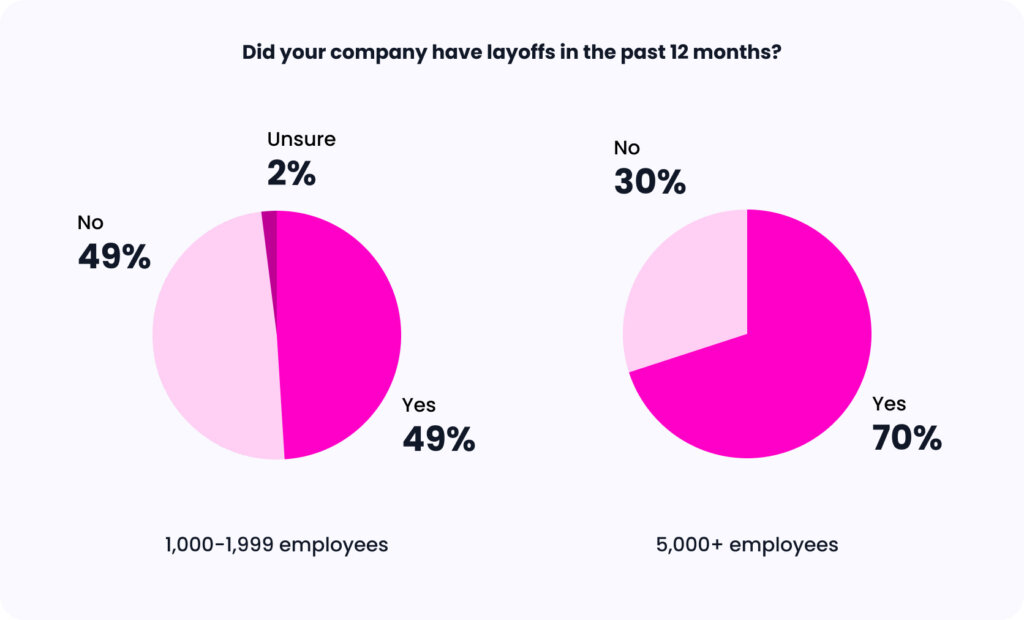
Charts showing the impact of layoffs on tech companies across sectors.

Challenges Bear Down on Hiring Teams

The far-reaching impacts of these layoffs on both an individual level and an organizational level cannot be overstated. Yet teams have contended with far more tech hiring challenges than just workforce reductions.

The top challenge that dealt a blow to teams’ hiring efforts: mental health and wellness concerns (34%). This should come as no major surprise; the constant threat of layoffs and budget and resource cuts isn’t a recipe for health and prosperity. “Difficulty adapting to remote interview process” (30%) and “applicants whose skills do not match their resume” (28%) round out the top three responses. 

Tech might be known as a sector that quickly adapts to the latest trends, but evidently, not all tech recruiting teams have mastered the remote world. Embracing remote interviewing undoubtedly comes with growing pains, as recruiters learn how to uplift the candidate experience through a Zoom screen.

For tech companies that are still hiring in full force, having to sift through inflated resumes can be a major time-sink. The disconnect between real skills and resume content only further emphasizes the importance of rigorous screening.
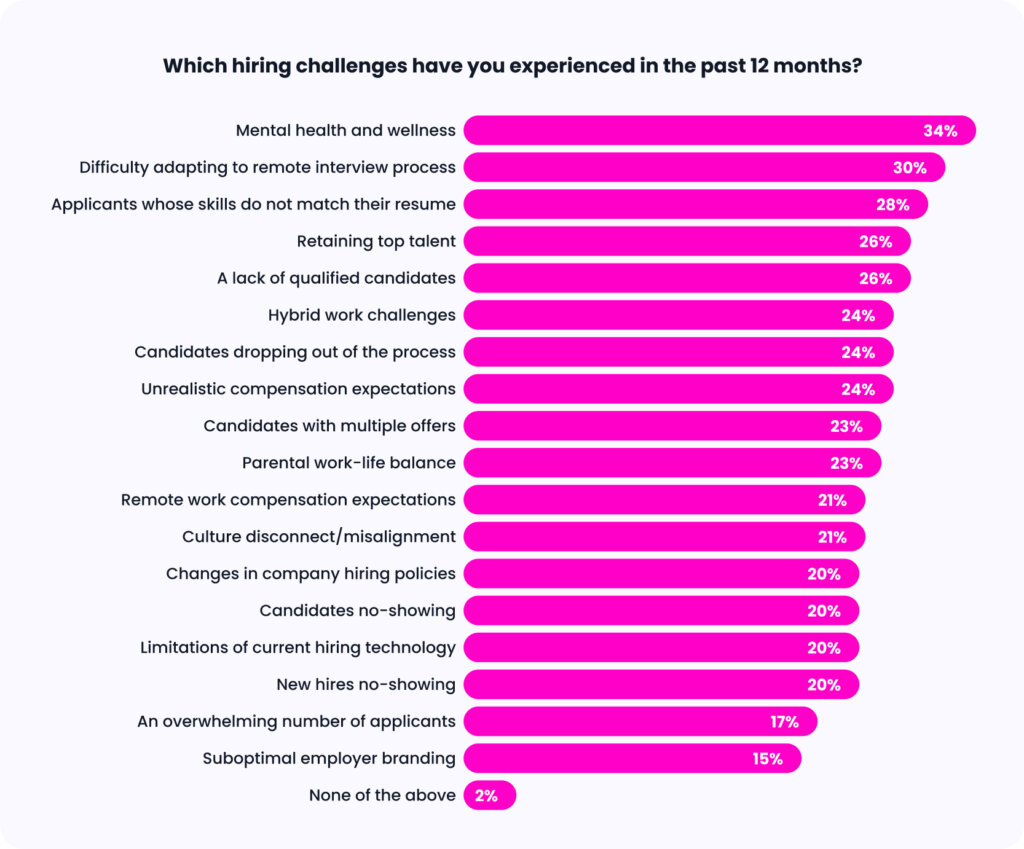
Bar chart showing what challenges tech talent teams experienced in the past.

Personalization and Efficiency for Hiring Success

Amid the rocky economy and difficult hiring landscape, talent teams at tech companies are on the road to recovery with personalization and efficiency by their side. 

Our data shows that increasing personalization throughout the hiring process is a key focus area for talent leaders in tech (46%). Personalization helps to make candidates feel valued as unique individuals, effectively meeting their high expectations of the hiring process.

Coming in second place, talent leaders also intend to improve their hiring efficiency (44%). Streamlining the hiring process by zeroing in on efficiency helps fill the gaps following hiring team layoffs and turnover while providing some much-needed relief to reduced teams. 

Does interview scheduling automation make sense for my team?

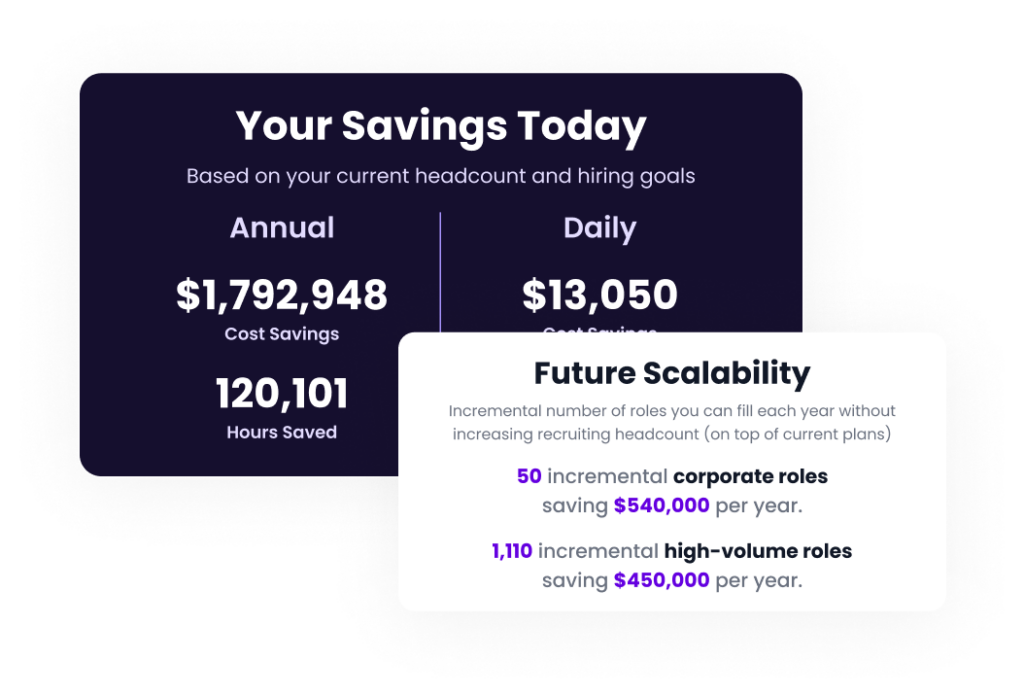
ROI is key. This is not a time to invest in software that won’t bring you immediate value. So let’s eliminate the guesswork with our free ROI calculator.
No matter if your team is still looking to fill open roles or if you’re in the midst of a hiring freeze, the fact is that efficiency drives present and future hiring success, including improved time-to-hire and increased offer acceptance rates. When you combine efficiency with personalization, you get an engaging, high-quality hiring process that can withstand anything the landscape throws its way.
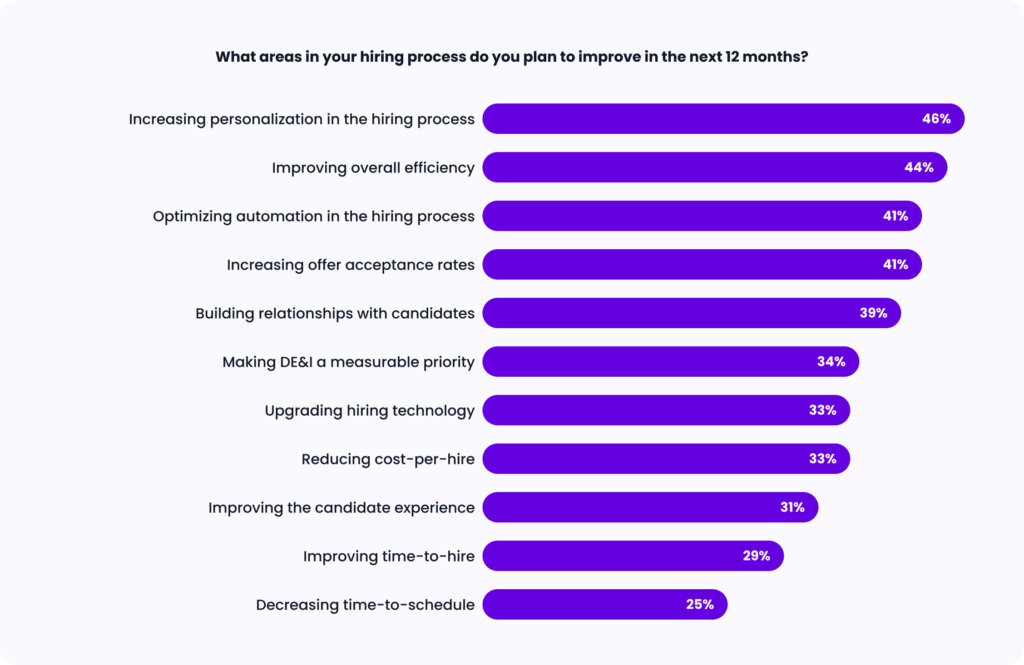
Bar chart showing what tech TA leaders plan on improving in the future.

Strategies for Winning Tech Candidates

Successfully hiring skilled tech talent in 2023 means catering to what candidates value the most. When asked what they convey to candidates to win them over, most talent leaders say that they communicate employee well-being (56%). Employee well-being was the top response for the second year in a row among our Hiring Insights Reports. 

To candidates, emphasizing employee well-being can be an indicator of a positive work environment. A company that prioritizes well-being is also likely to prioritize other values that are on candidates’ wishlists, such as a satisfying work-life balance and an attractive company culture.

Ranking in second place is flexibility (53%). However, there’s a major difference between conveying flexibility and actually practicing flexibility. One of the most impactful ways to put flexibility into action is by offering talent remote or hybrid work. Yet flexibility can take many forms. Tech companies could allow employees to work from anywhere within the office, take lunch when they’d like, or skip lunch to head home early.
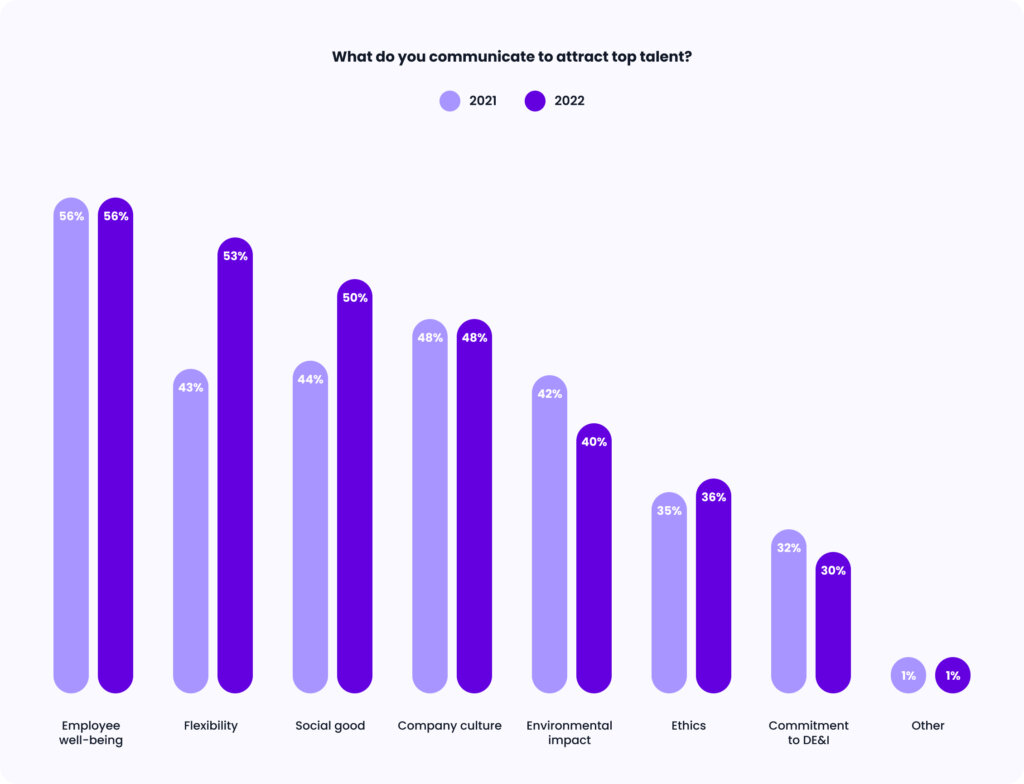
Bar chart showing what hiring teams communicate to attract tech candidates.

Hey, Tech Recruiting Teams: Want More Insights?

2022 brought a rocky economy, sweeping reductions in force, and a difficult hiring landscape, creating a perfect storm for tech recruiting teams this year. The pressure is on to find and attract qualified candidates, deliver an efficient hiring process, and leverage hiring tools that drive teams toward success. Are you ready to conquer 2023? 

To dive deeper into these insights and much, much more, get the tech report today.

GoodTime Product Updates: What’s New From February 2023

Get excited: our team is always hard at work in making GoodTime the best it can be, and we’re here to share the latest product updates from February 2023. New internationalized candidate flow, integration with Uber for Business, Meet Connect capabilities, and more releases are coming your way. Buckle up, let’s review!

Watch the Full Product Updates Walkthrough

Want the entire scoop on our latest and greatest product updates? Check out February’s product update webinar below. Keep scrolling to read the biggest highlights.

GoodTime Hire Updates

We’ve enabled candidates to experience GoodTime in their native language, introduced the ability to tag colleagues in updates, and more. Plus: get ready to wow candidates with vouchers for transportation and meals.

GoodTime Internationalized

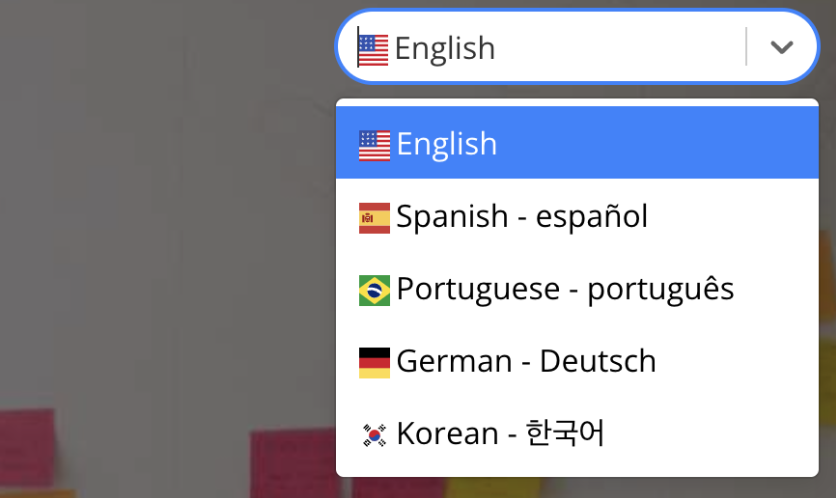
Candidates can now interact with GoodTime in their native language; this includes Spanish, German, Portuguese, and Korean, with more on the way. The language is detected automatically but is also always possible to adjust. This personalized experience with less risk of miscommunications means more hires, faster.

Graphic displaying GoodTime Hire's language capabilities.

Brand Themes

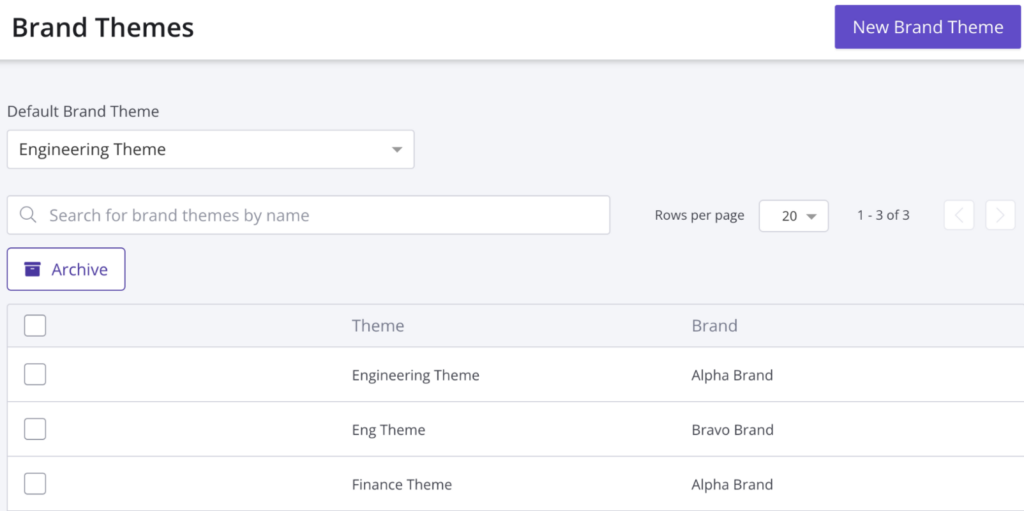
Create unique themes for each brand or subsidiary that your company is hiring for. Give candidates a peek into the brand of their potential new employer with this special personalized touch.

Graphic displaying GoodTime Hire's multi-branding capabilities.

Mention in Notes

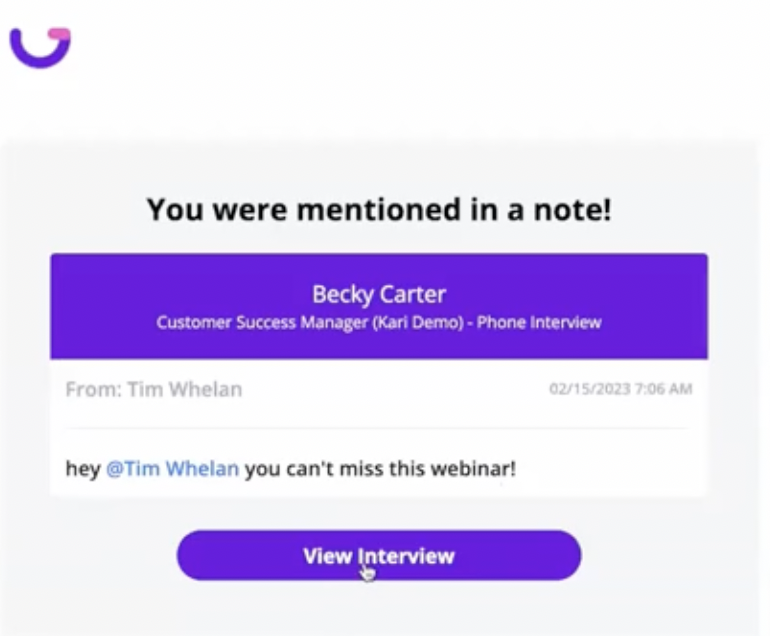
Tag colleagues in notes to alert them about the latest important updates. Colleagues will get notified by email and can reply instantly. Increased information sharing and immediate notification equate to less risk of mishaps and more efficient hiring.

Graphic displaying GoodTime Hire's notes capabilities.

Flexible Scheduling: Specific Time

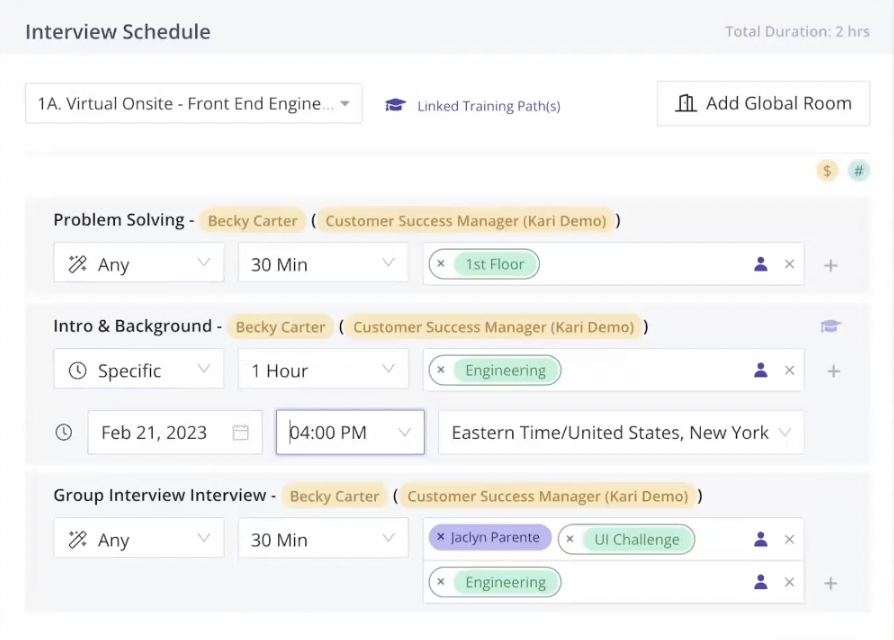
In addition to flexible scheduling, you can now set part of an interview to occur on a specific time and day. For those instances where some interviews have to happen at a specific time, or with a person who has tight constraints, GoodTime has your back.

Graphic displaying GoodTime Hire's flexible scheduling capabilities.

Uber for Business Integration

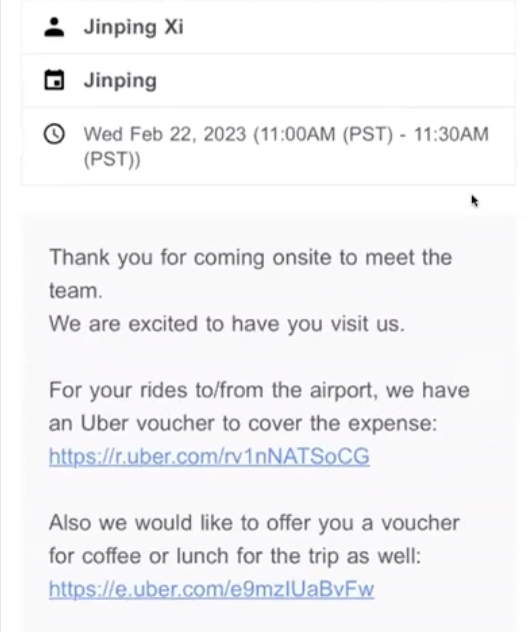
The GoodTime and Uber for Business integration lets companies include vouchers for rides and meals with Uber to candidates directly in their interview calendar invites. Take the candidate experience to the next level and make prospective new hires feel like VIPs.

Graphic displaying GoodTime Hire's Uber for Business integration.

Other Notable Updates

  • Job stages better linked to templates: Click into a template straight from the job stage to easily see what it contains and make adjustments instantly
  • Template level require review: Interview templates now have the toggle to require or not require review for requesting availability. You can also set it to always follow the company setting.

GoodTime Hire for High Volume Updates

Get ready for new high-volume hiring capabilities when chatting with candidates via the GoodTime chrome plugin.

High Volume on Greenhouse

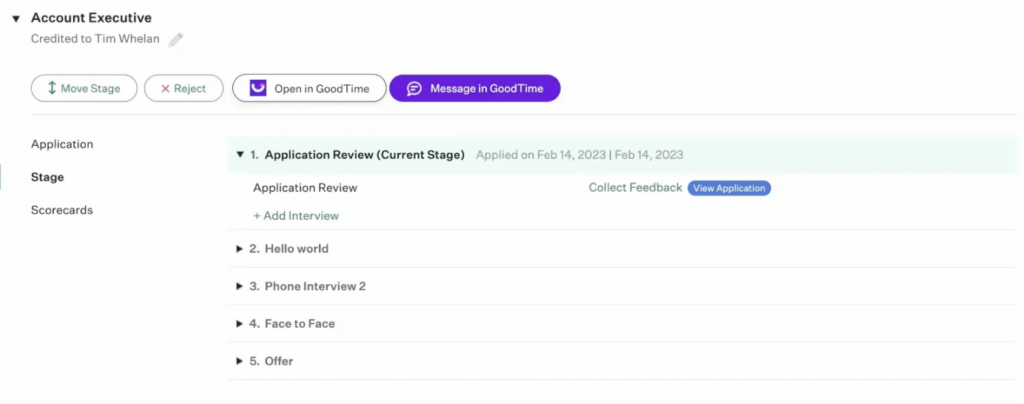
Send candidates text messages or WhatsApp messages directly from Greenhouse. Just click on the “Message in GoodTime” button in Greenhouse and start chatting with top talent via the GoodTime high-volume hiring chrome plugin.

Graphic displaying GoodTime Hire's high volume capabilities with Greenhouse.

Search and Chat via the Chrome Plugin

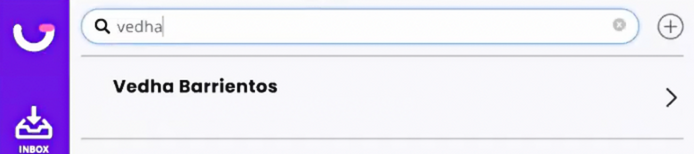
Want to search for somebody who’s in Hire but isn’t among the current ongoing conversations in your chat log? Now you can search for anybody in your entire Hire database via the chrome plugin and start chatting with them. 

Graphic displaying GoodTime Hire's high volume search capabilities.

GoodTime Meet Updates

We’ve leveled up Meet Connect with mentorship recommendations, enabled event scheduling, and more.

Connect: Mentorship Recommendations

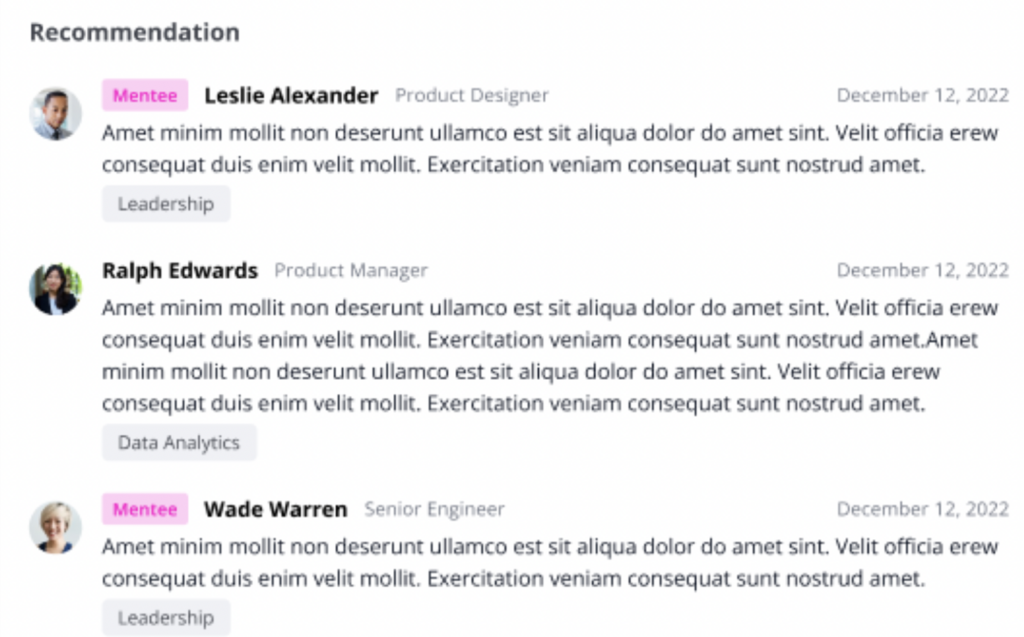
Meet Connect members can now leave recommendations for one another and tag skill sets that they can be vouched for. Help mentees feel more comfortable and confident in speaking to potential mentors with this added layer of social proof.

Graphic displaying GoodTime Meet Connect's recommendation-giving capabilities.

One-off Scheduling Links

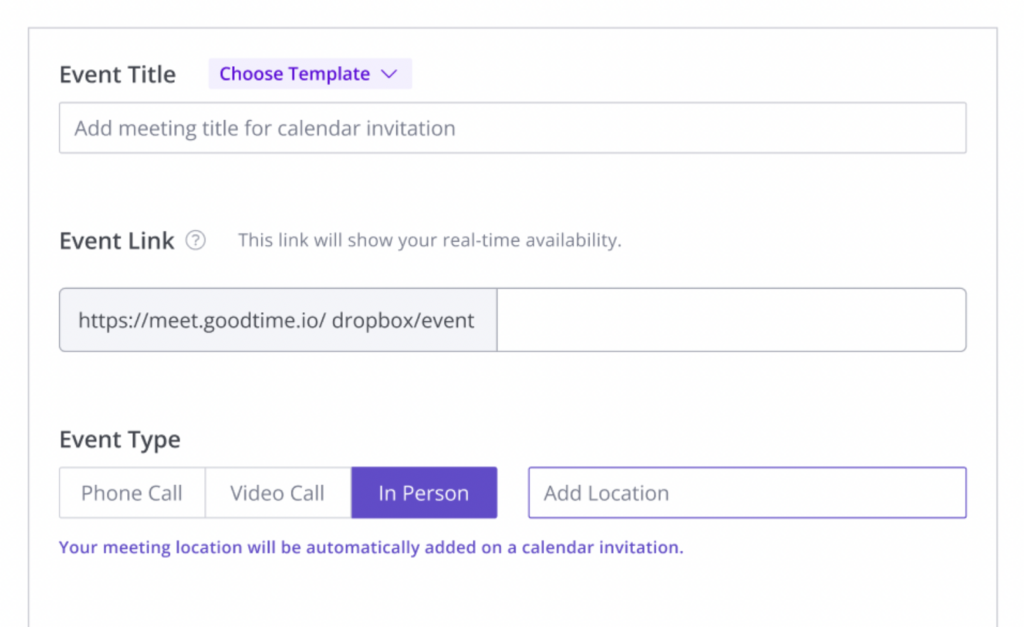
Create a one-off scheduling link from an existing template that expires after use. This way, you can share your availability and customize invitations without having to worry about your links being used more than once.

Graphic displaying GoodTime Meet's one-off scheduling capabilities.

Event Scheduling

Scheduling links can now be configured to support event scheduling, trade show booth sign-ups, batch interviews, and training events. Say goodbye to spreadsheets and web forms; quickly create event scheduling links and let GoodTime Meet automate the work for you.

Graphic displaying GoodTime Meet's event scheduling capabilities.

Not Part of the GoodTime Family Yet?

It’s time to change that. With GoodTime, you can get better outcomes from your company’s most important meetings. For interviews, GoodTime Hire helps you schedule 40% faster, hire 50% more efficiently, and 5x team productivity. (Seriously.) For every other meeting, GoodTime Meet allows you to take complete control over your calendar with free, flexible scheduling for hybrid and remote teams.

Learn more about how Hire can transform your interview scheduling.

Learn more about how Hire for High Volume can revolutionize your high-volume hiring.

Learn more about how Meet can revamp your meeting scheduling.

Recruiting Automation & Efficiency: A Winning Combo, Says HR Leaders

In the world of talent acquisition, it’s sink or swim. The challenges facing hiring teams are more daunting than ever; an unstable economy, sweeping reductions in force, and increased candidate demands threaten teams’ goals. Yet if you ask HR leaders, the formula for success is found in one dynamic duo: recruiting automation and efficiency.

In December 2022, GoodTime surveyed over 500 U.S. decision-makers in talent acquisition for the 2023 Hiring Insights Report to uncover their perceptions of the most pressing challenges facing their teams, and how they plan to attract and retain top talent in the year ahead. 

The report shows that amid their sea of obstacles, talent leaders plan on reaching for success by optimizing their automation and boosting the hiring efficiency of their processes. 

Yet thriving in today’s hiring landscape will be no small feat; most teams don’t have the best track record when it comes to prioritizing efficiency and automation. However, as the data will show, the key to effectively hiring with efficiency and automation is hiding in plain sight.

Teams Eye Recruiting Automation and Efficiency 

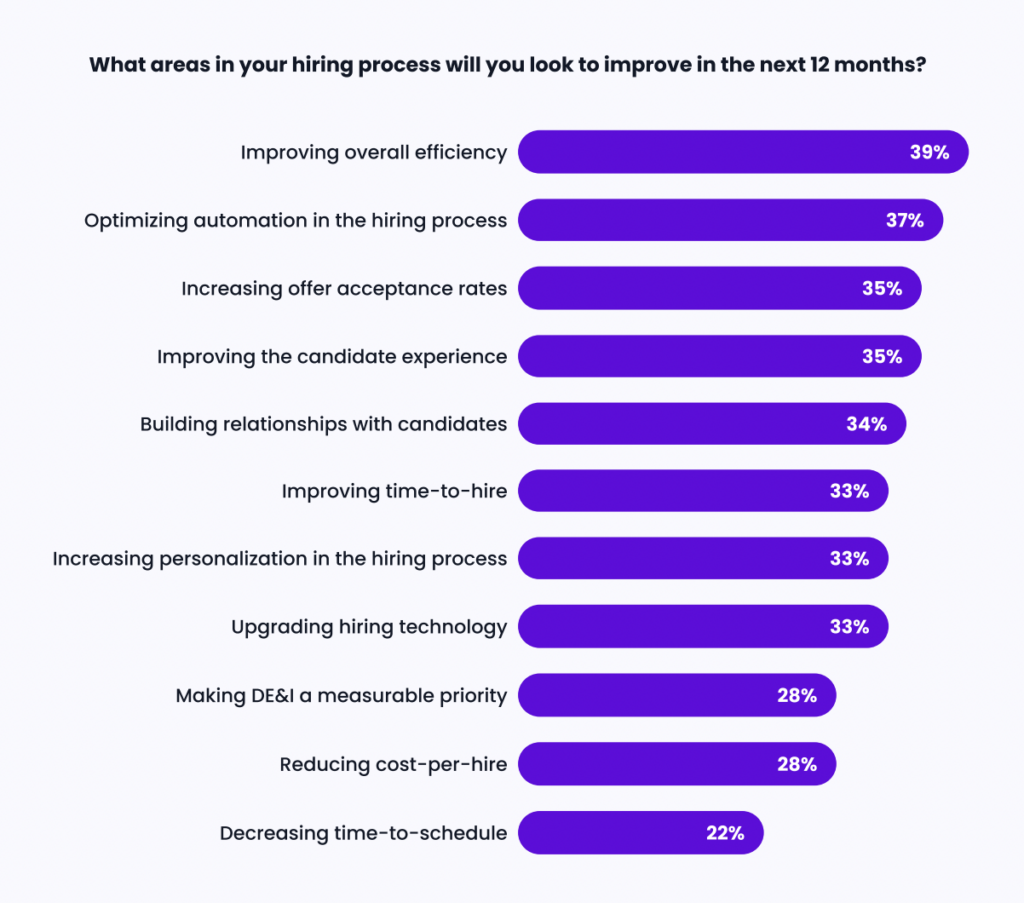
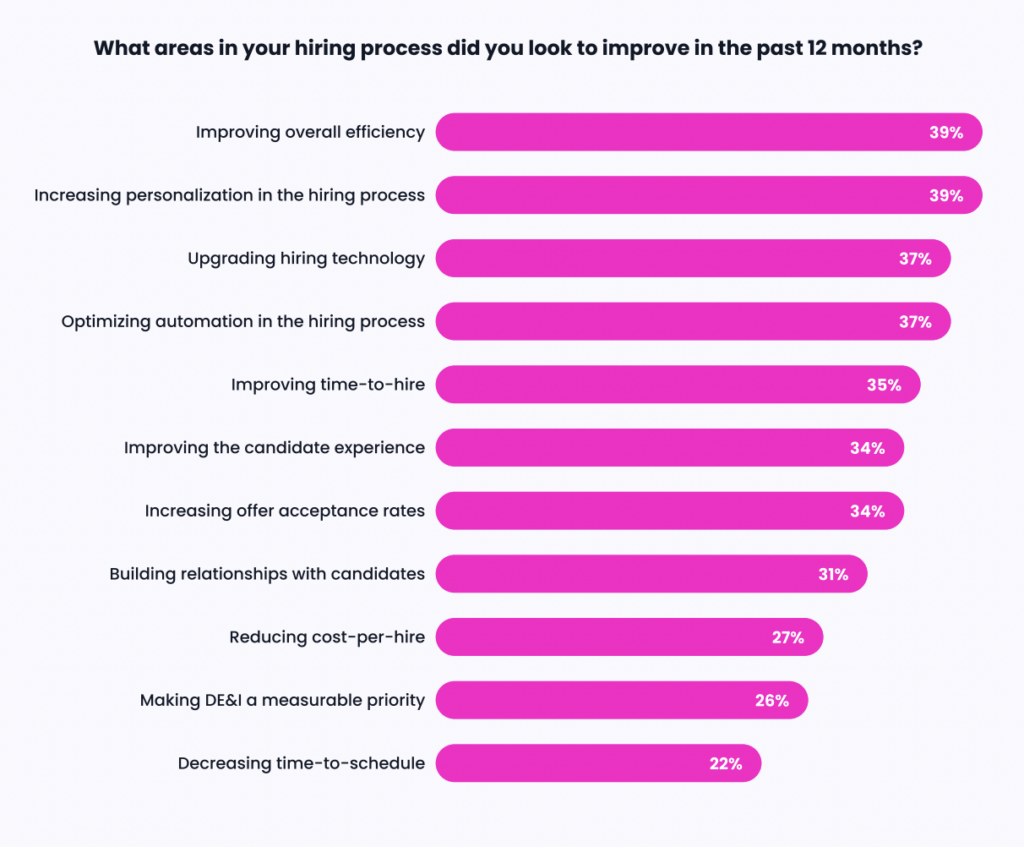
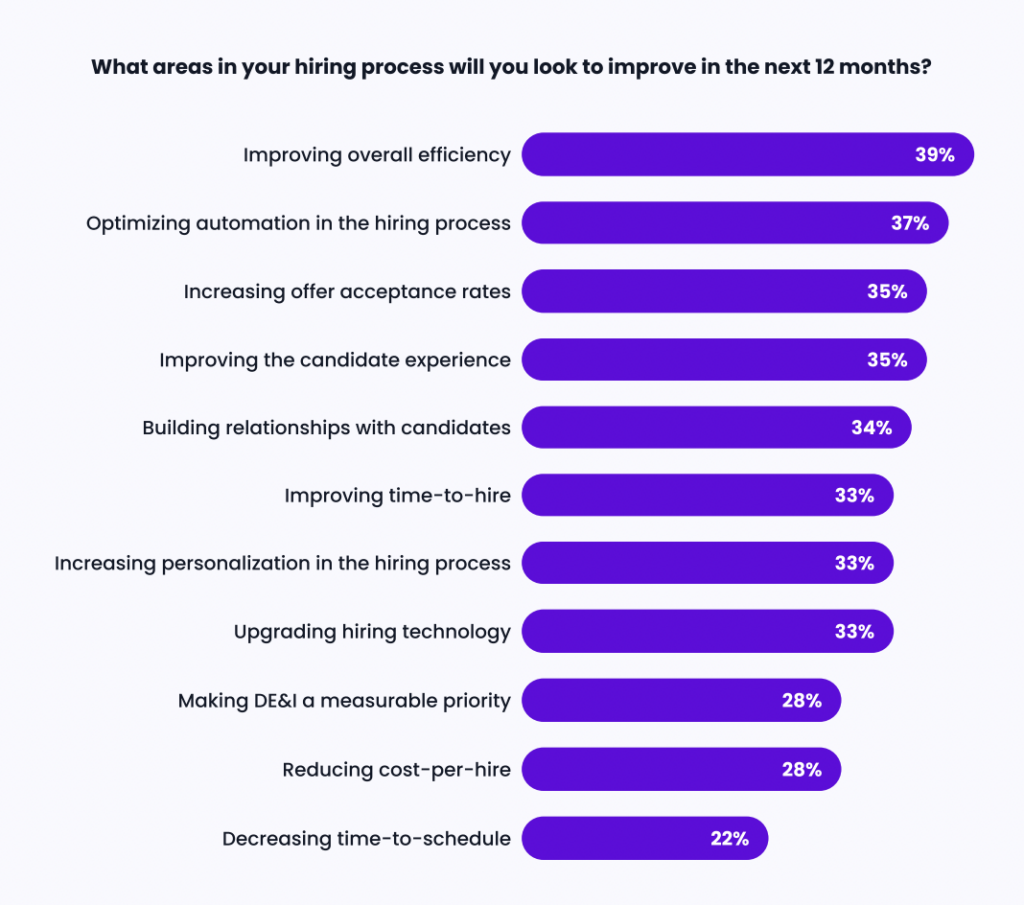
When asked what areas of their hiring process they will look to improve in the next 12 months, “improving overall efficiency” (39%) and “optimizing automation in the hiring process” (37%) ranked as talent leaders’ top focus areas. These were talent teams’ biggest focus areas for the second year in a row.

Bar chart showing what talent leaders plan to focus on in the future.

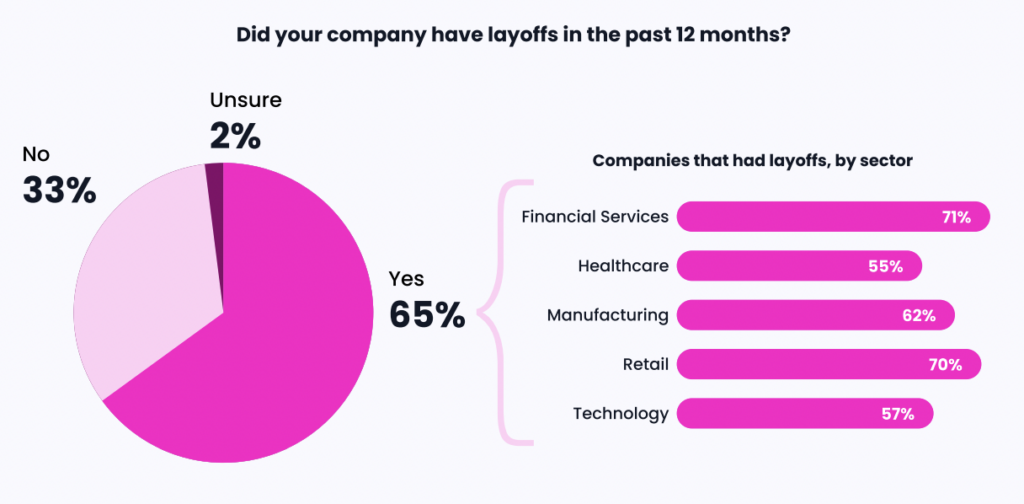
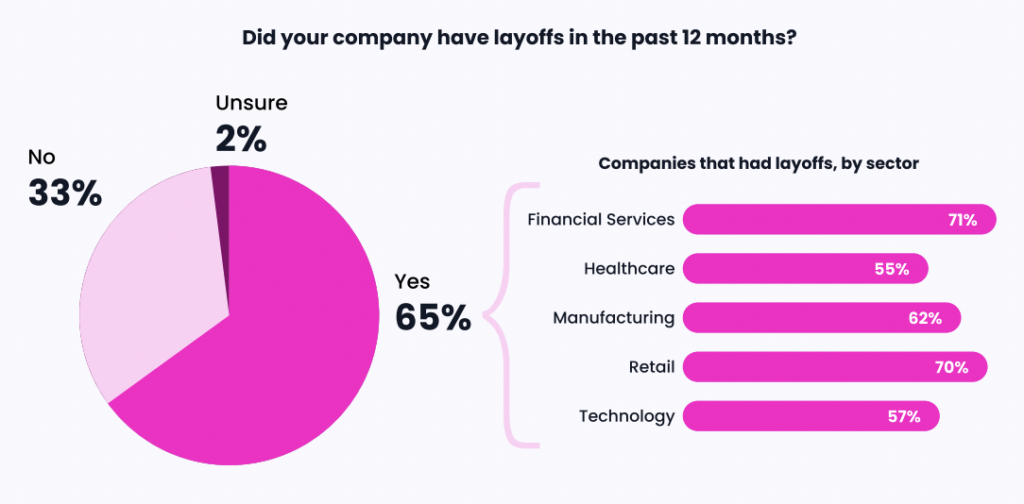
With 65% of surveyed talent leaders reporting layoffs in the past year, this focus is incredibly timely. Streamlining the hiring process and automating tedious tasks helps fill efficiency gaps following hiring team layoffs while providing much-needed relief to resource-strained teams trying to “do more with less.”

Charts showing the impact of layoffs on companies across sectors.

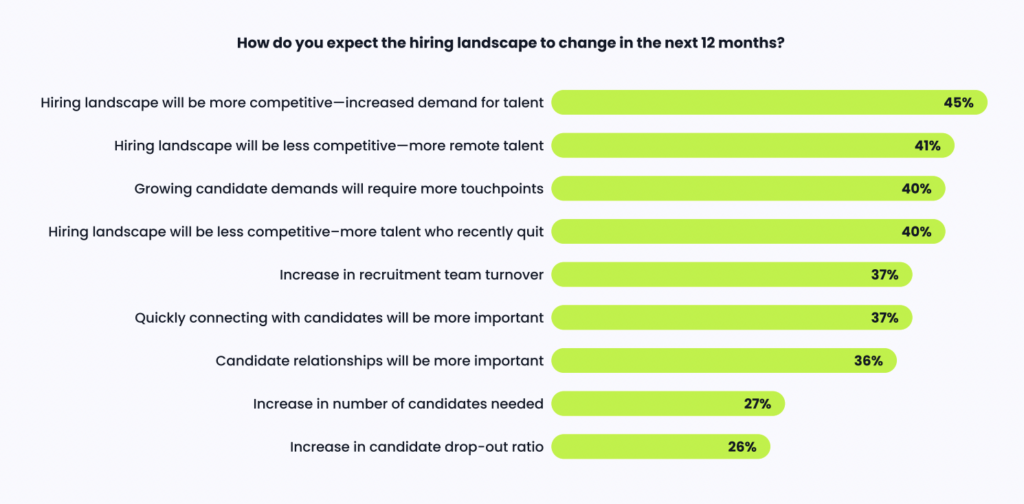
The focus on efficiency and automation becomes even more important when considering the top change that teams expect in 2023: “the hiring landscape will become more competitive due to an increased demand for talent” (45%). 

A competitive landscape requires all hands on deck to attract and engage candidates, move fast on qualified talent, and deliver a high-quality hiring experience. Teams will need to leverage the dynamic duo of efficiency and automation if they want to drive better hiring outcomes.

Does interview scheduling automation make sense for my team?

ROI is key. This is not a time to invest in software that won’t bring you immediate value. So let’s eliminate the guesswork with our free ROI calculator.

Where Recruiting Automation and Efficiency Efforts Fell Flat

Talent teams aren’t strangers to implementing recruiting automation and efficiency-centric initiatives. In fact, improving efficiency (39%) was the top focus area for talent leaders in the past 12 months, with optimizing automation (37%) coming in second place. 

Bar chart showing what TA leaders focused on in the past.

So, where did this focus lead talent acquisition teams? (Spoiler alert: probably not where they would’ve liked to be). Based on the outcomes from the past year, it appears that some teams may not have successfully followed through with their efforts to prioritize efficiency and automation. 

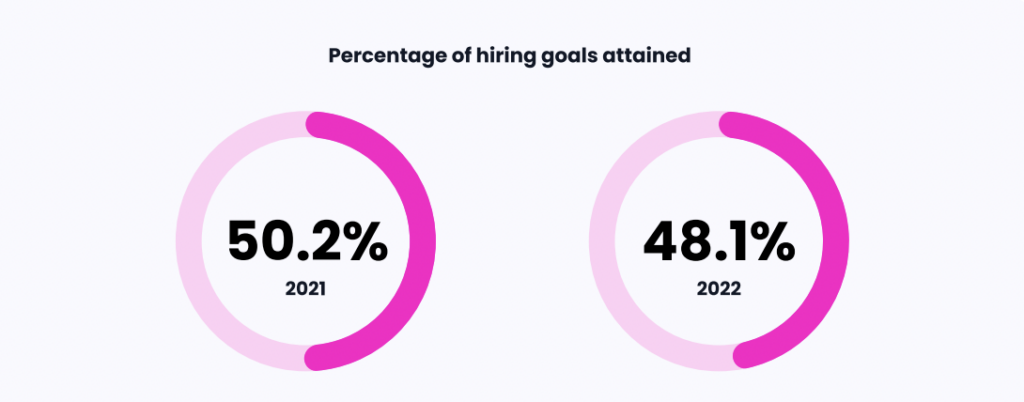
For starters, talent teams missed their hiring goals by a significant margin. Companies reportedly hit just 48% of their goals in 2022, a 2% drop from 2021. 

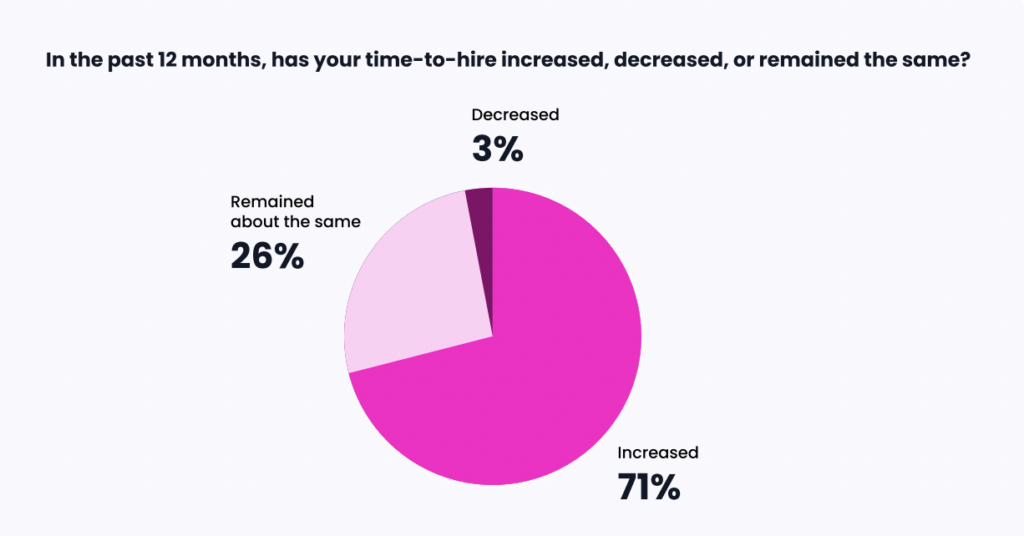
The data on time-to-hire also doesn’t reflect well on teams; 71% of TA leaders said time-to-hire increased in 2022. This is a notable uptick from 2021, where 60% reported an increase in time-to-hire.

Pie chart showing the state of HR leaders' time-to-hire.

Adding even more fuel to the fire, time spent scheduling is on the rise. Recruiting teams spent 42% of their time scheduling interviews in 2022, a 5% increase from last year’s report.

The Disconnect on Efficiency

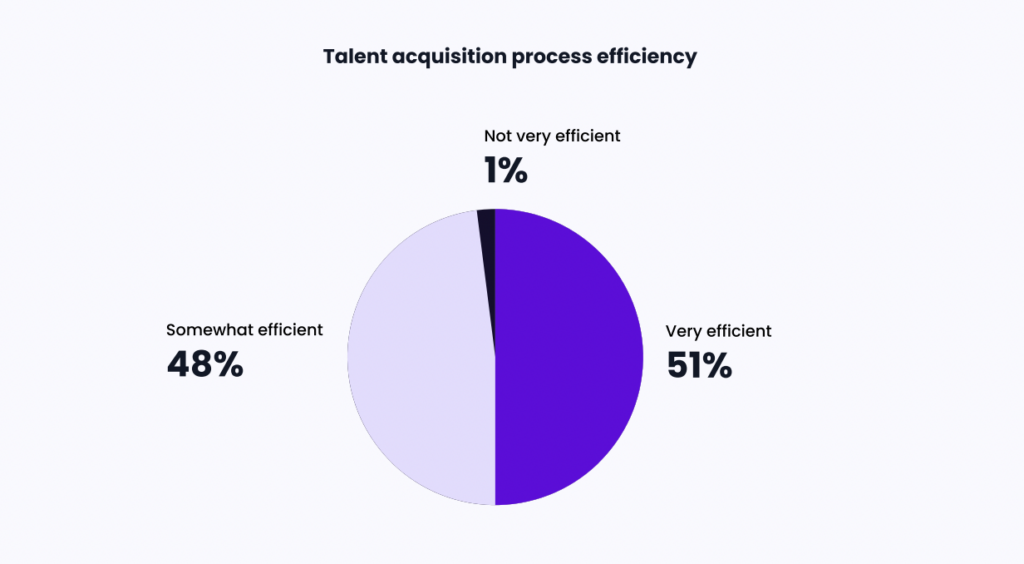
With hiring goal attainment on the decline and time-to-hire and time spent scheduling on the incline, teams certainly have cause for concern. Yet interestingly, it appears that many teams aren’t worried about the efficiency of their processes. A shocking 99% of respondents rated their hiring processes as either somewhat or very efficient. 

Pie chart showing the state of HR teams' recruiting process efficiency.

Teams may feel that they are doing their best to optimize their operations amid the hectic hiring and economic landscape, but still, the data shows there’s ample room to improve—especially as teams plan to amplify efficiency and automation in 2023.

Leveraging Hiring Tech for Success

Moving forward, effectively optimizing recruiting automation and boosting efficiency will require new, innovative approaches. Luckily, the solution is right under TA teams’ noses. 

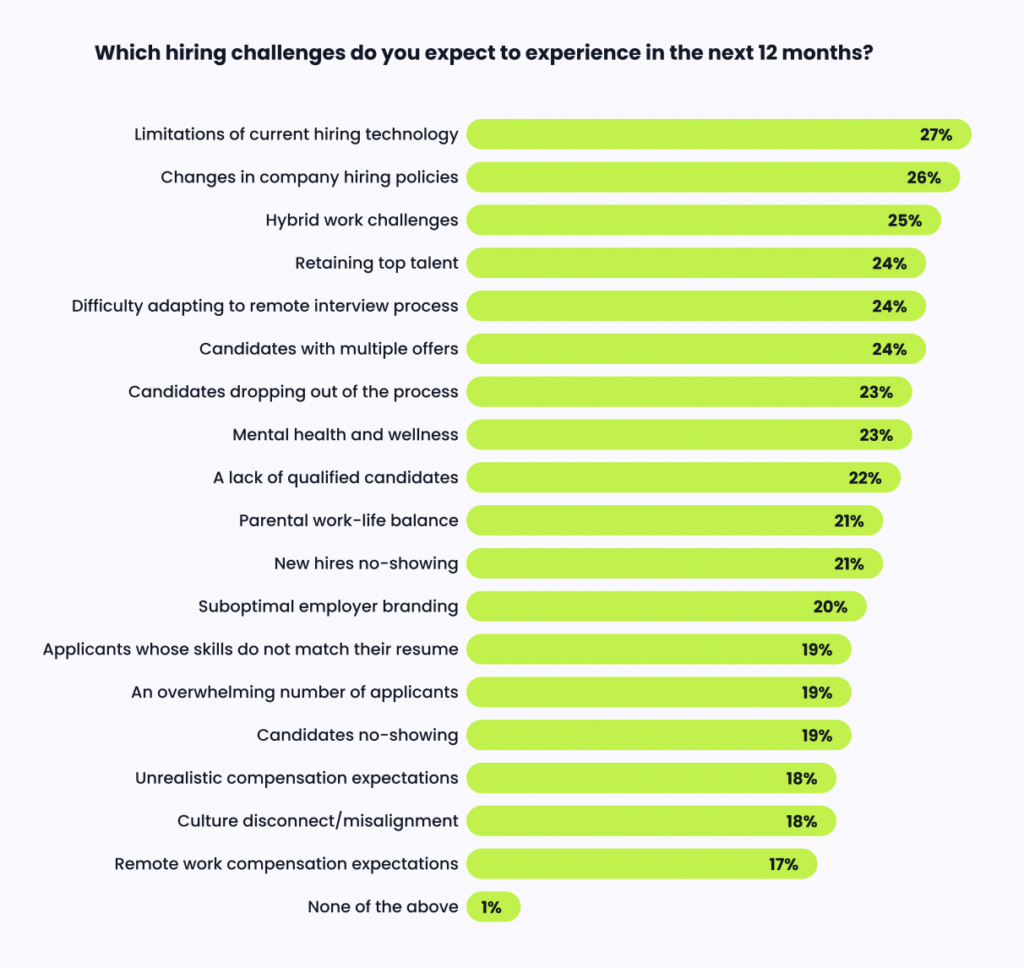
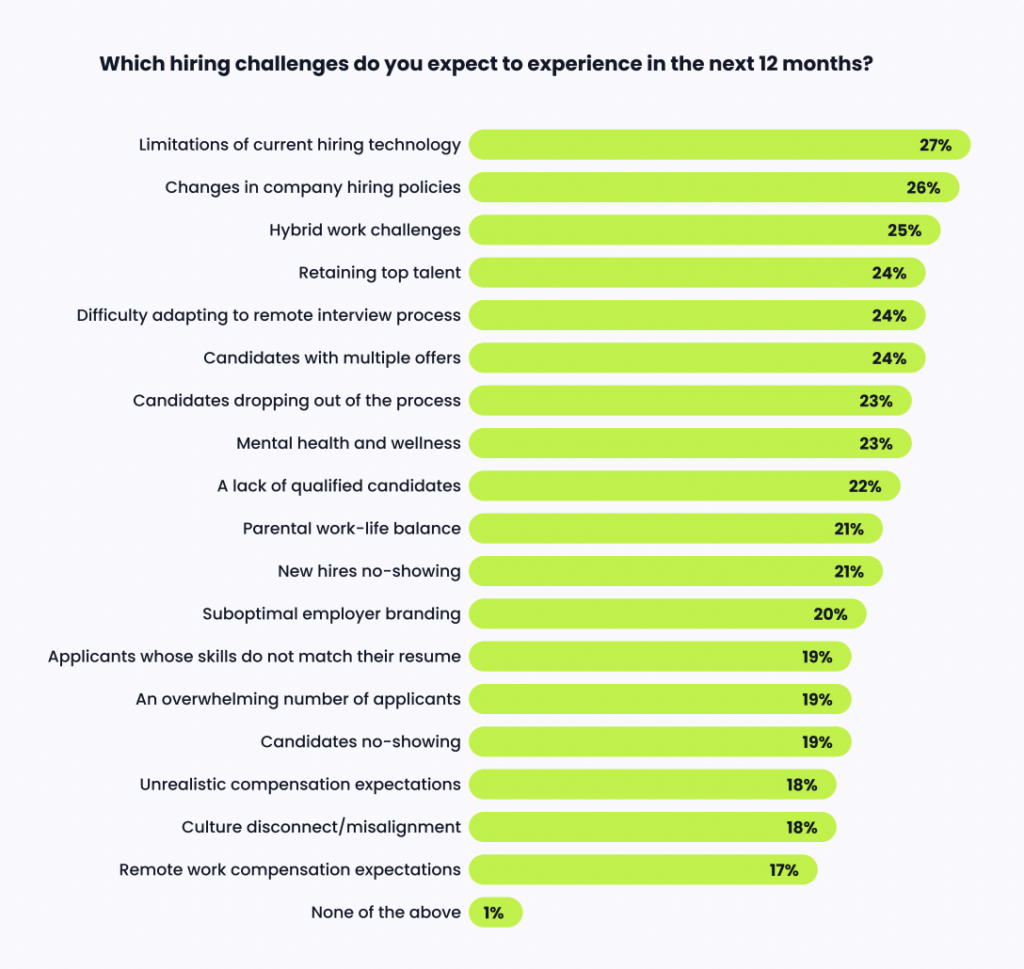
Hiring teams believe that the biggest challenge they’ll face in the coming months is “limitations of current hiring technology” (27%). Refining the tech stack would not only solve this challenge but also endow teams with the efficiency and automation needed to succeed this year. (Plus, the right tech helps you save major time and money along the way).

Bar chart showing what hiring challenges TA teams expect in the future.

Optimized hiring tech directly helps teams maximize their productivity and balance hiring speed with process quality But here’s the problem: “upgrading hiring technology” (33%) ranked as one of the lowest priorities for teams in the future. Why? Some sectors, such as healthcare, are more risk-averse than others and may shy away from adopting new tech. Or, simply put, teams might not see it as a pressing issue to attend to among their countless other concerns.

Yet if teams want to use efficiency and automation to their advantage and stand the greatest chance at hitting their hiring goals, they must change their tune. Leveraging new tech is the way forward.

But how do you secure new HR tech during budget cuts?

We get it — it’s a bit of a catch-22. The more budgets are cut, the more you need HR tech, but the less able you are to procure it. We sat with Valeria Stanga, Senior Talent Acquisition Partner at HelloFresh for her take on making a clear, compelling case for new HR tech, even in the face of reductions and budget cuts.

Want More Recruitment Insights?

2022 brought a rocky economy, widespread layoffs, and an uncertain hiring landscape, creating a perfect storm for hiring teams this year. The pressure is on to find and attract qualified candidates, deliver an efficient hiring process, and leverage hiring tools that drive teams toward success. Are you ready to conquer 2023? 

To dive deeper into these insights and much, much more, get the full 2023 Hiring Insights Report today.

10 Key Recruiting Statistics from Our 2023 Report

For today’s hiring leaders, the talent landscape can feel a lot like the wild, wild west: untamed, unpredictable, and downright lawless. Now in 2023, talent acquisition teams once again face new hiring challenges and economic obstacles. But don’t get lost in the dust just yet: to help teams make sense of all this uncertainty, we’ve released our 2023 Hiring Insights Report.

The report features data on 500+ surveyed hiring leaders and explores how they’re attracting and retaining talent amid today’s obstacles. If your talent team wants to thrive now and for years to come, consider it required reading.

For the TL;DR of the report, here’s a roundup of the 10 key recruiting statistics your team must know to successfully weather 2023’s hiring storm.

1. Hiring Goal Attainment Fell Short

Our previous Hiring Insights Report found that organizations hit an average of 50% of their hiring goals in 2021. Unfortunately, their luck hasn’t turned around. Since then, hiring goal performance has declined by two percentage points, dropping to 48% in 2022.

In the past year, U.S. job openings declined while the number of Americans seeking employment remained steady. Based on this context, one might expect that hiring would’ve become easier with fewer jobs to fill. So, where did this 48% come from? Other factors, like increased candidate demands and a deficit of desired skills, can pose significant challenges to hiring goal attainment.

Charts showing hiring teams' goal attainment.

2. Top Previous Challenges: Resume Padding and Hiring Policy Shifts 

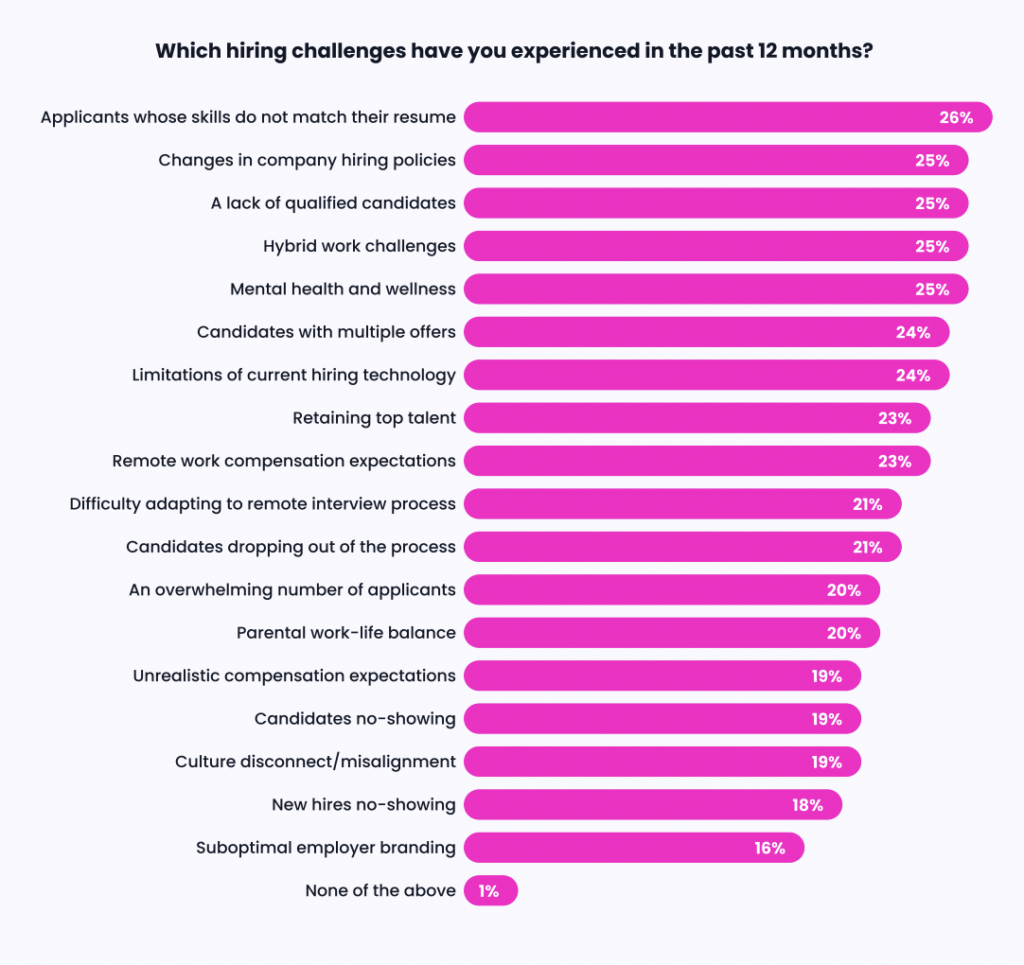
The biggest challenge faced by hiring teams in the past 12 months? A disconnect between real skills and what’s on applicants’ resumes. The prevalence of candidates padding their resumes only further emphasizes the importance of rigorously screening applicants.

Ranking in second place, 25% of surveyed talent leaders said they faced difficulties with ever-evolving company hiring policies. A range of factors triggered these policy updates, including remote work, return-to-office mandates, and a shortage of qualified talent. 

Bar chart showing what hiring challenges TA teams experienced in the past.

3. Layoffs Thrashed the Hiring Landscape

Overall, layoffs impacted 65% of companies last year. The tech sector’s waves of layoffs dominated the news; 57% of surveyed tech companies reported going through layoffs in the past 12 months.

However, tech wasn’t the only sector that conducted widespread workforce reductions. In fact, the financial services and retail sectors led the pack with the most dismissals at a staggering 71% and 70%, respectively.

Charts showing the impact of layoffs on companies across sectors.

4. Turnover Rocked Hiring Leaders

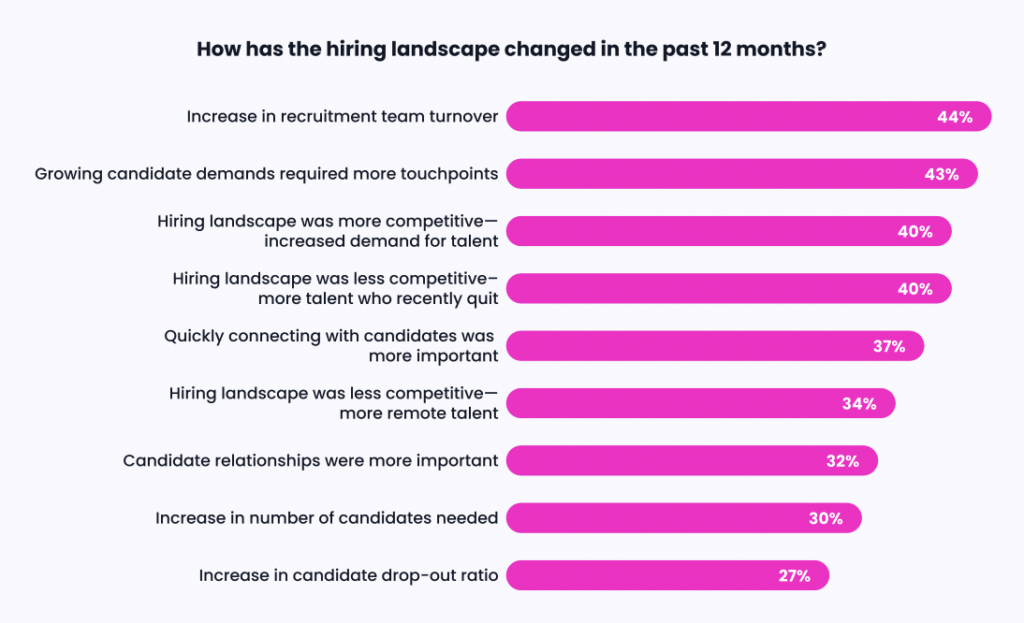
Nearly half of hiring leaders (44%) were impacted by increased recruitment team turnover, making this the biggest change that hiring teams experienced last year. Fewer talent acquisition professionals means fewer people that can move the hiring process along—and slower operations.

While the majority of talent leaders agreed that turnover dealt a heavy blow to their teams, they were split on whether the landscape has become more or less competitive, underscoring the turbulent nature of last year’s hiring landscape.

Bar chart showing how the hiring landscape has changed.

5. Top Expected Challenges: Limiting Hiring Tech and Hiring Policy Shifts

In the year ahead, hiring teams expect to confront two major hurdles. For one, teams predict that their hiring technology, which needs to adapt to their ever-changing needs, will fall short of expectations (27%). The right hiring technology can unlock a level of productivity and efficiency that teams didn’t even know was possible—yet most teams don’t have the tech needed to attain success.

Teams also anticipate facing difficulties in adjusting to alterations in their company’s hiring policies (26%). Sound familiar? This was also one of the top challenges that teams faced in the past few months. Talent acquisition and retention become all the more challenging when your efforts are hindered by the need to constantly adjust policies to stay aligned with the landscape’s evolutions.

Bar chart showing what challenges talent teams expect in the future.

6. Competitive or Uncompetitive Landscape? You Decide

Once again, talent acquisition leaders can’t reach a consensus on the state of the landscape. While 45% say the hiring landscape will become more competitive due to an increased demand for talent, 41% say it will become less competitive due to an increase in available remote talent.

Drilling down the data by sector, respondents were still at odds—except for the financial services sector. The majority of financial services hiring leaders (53%) believe that competition will intensify in the landscape. Burnout and high turnover in frontline retail banking roles could be contributing to these results.

Bar chart showing how hiring teams expect hiring to change.

7. Efficiency and Automation Reign Supreme

Amid an unstable economy and numerous hiring obstacles, teams plan on weathering the storm through the power of efficiency and automation. For the second year in a row, efficiency (39%) and automation (37%) came out on top as talent teams’ biggest focus areas for the future.

Does interview scheduling automation make sense for my team?

ROI is key. This is not a time to invest in software that won’t bring you immediate value. So let’s eliminate the guesswork with our free ROI calculator.

Streamlining the hiring process and automating manual tasks is a win-win for everyone involved in the process. Talent teams get to reap better hiring outcomes, such as increased offer acceptance rates and improved time-to-hire. Meanwhile, candidates get to enjoy an impeccable hiring experience that demonstrates genuine care and interest in what they can bring to the table.

Bar chart showing what TA leaders plan on improving in the future.

8. Quality of Hire Comes Out on Top

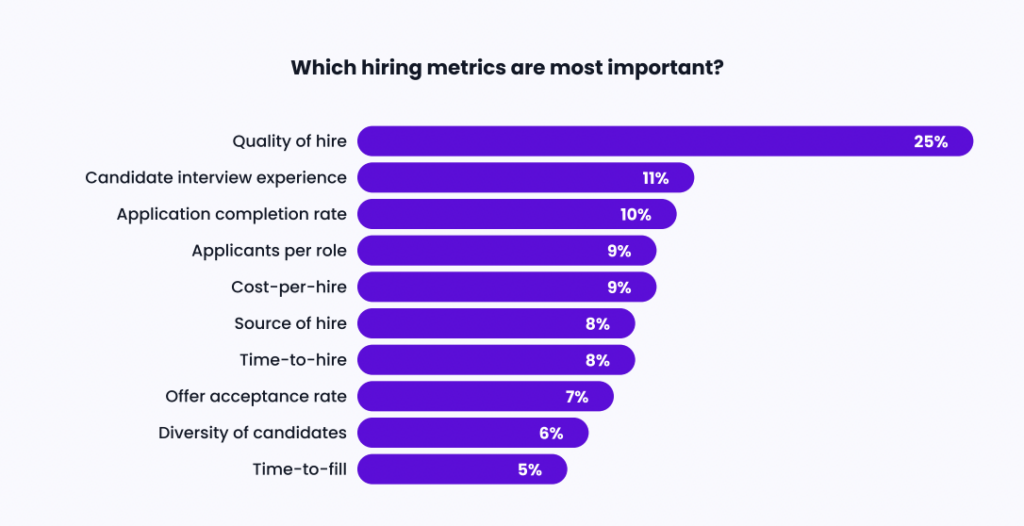
As hiring teams traverse 2023’s rough waters, they’ll be doing so while closely monitoring quality of hire. The majority of talent leaders ranked it as their number one most important metric (25%). This result is fitting; one of the core objectives of recruiting is to not only hire quickly but to hire the best talent possible.

However, teams will have to contend with the difficulties of measuring quality of hire. Measuring this metric is notoriously challenging, as it carries its own subjectivity and qualitative nuances.

Bar chart showing the most important hiring metrics.

9. Winning Candidates With Flexibility

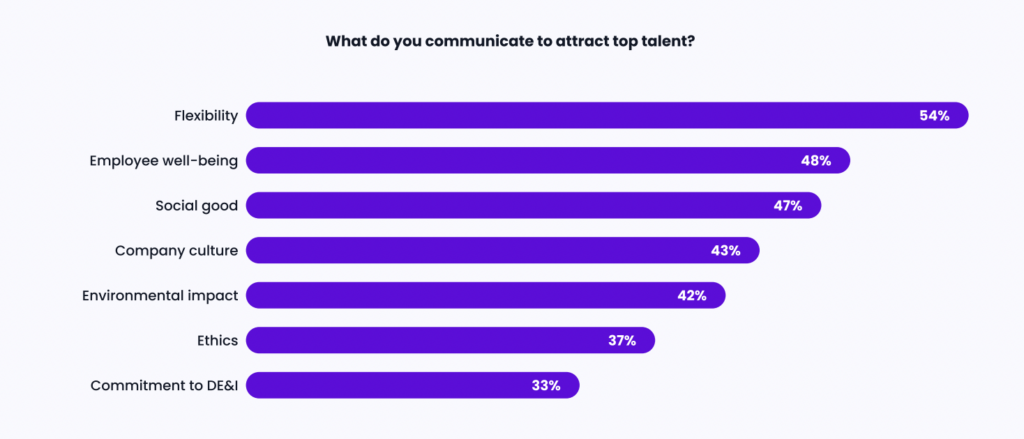
What do top candidates want? If you ask our respondents, more than half (54%) will say that candidates seek flexibility above all else. Prospective new hires want to feel reassured that their desired roles will grant them enough flexibility to lead fulfilling and healthy lives amid their professional responsibilities.

Companies might consider allowing employees to work from anywhere within (or outside) the office, take lunch breaks whenever they’d like, or skip lunch altogether to head home early. Yet still, there’s no one-size-fits-all for flexible work policies; companies must assess their own circumstances to determine the best approach.

Bar chart showing what TA teams communicate to win candidates.

10. Better Scheduling, Better Connections

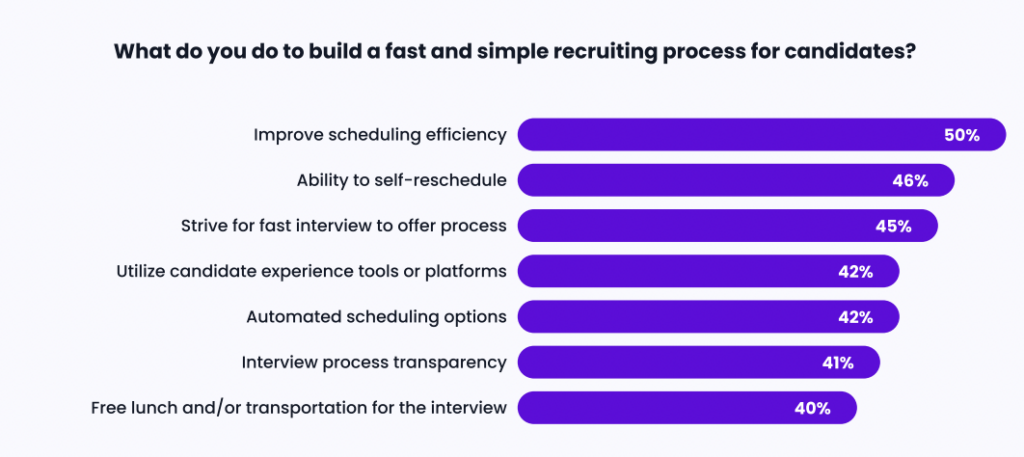
One in two companies (50%) identified improving scheduling efficiency as their primary strategy for giving candidates a faster and simpler hiring experience. A streamlined, bottleneck-free process not only helps hiring teams smash their goals, but also cultivates a positive candidate experience that can blossom into stronger, more memorable candidate relationships.

Rounding out the top three are candidate-driven scheduling (46%) and a fast interview process (45%). These capabilities closely align with the preferences of today’s consumers. Half of consumers would rather live chat than pick up the phone; evidently, people want immediate help in their time of need without having to reach out to someone.

Bar chart showing what hiring teams do to win candidates with a streamlined process.

Hey, Hiring Leaders: Want Our Full Collection of Recruiting Statistics and Insights?

2022 brought an uncertain economy, sweeping reductions in force, and increased candidate demands, creating a perfect storm for hiring teams this year. The pressure is on to find and attract qualified candidates, deliver an efficient hiring process, and leverage hiring tools that drive teams toward success. Are you ready to conquer 2023? 


To dive deeper into these insights and much, much more, get the full report today.
GoodTime Product Updates: What’s New From January 2023

Get excited: our team is always hard at work in making GoodTime the best it can be, and we’re here to share the latest product updates from January 2023. New high-volume hiring features, updates to flexible scheduling, and more releases are coming your way. Buckle up, let’s review!

Watch the Full Product Updates Walkthrough

Want the entire scoop on our latest and greatest product updates? Check out January’s product update webinar below. Keep scrolling to read the biggest highlights.

GoodTime Hire Updates

We’ve taken flexible scheduling to the next level, updated the dashboard, improved the interview training functionalities, and more.

Revamped Flexible Scheduling

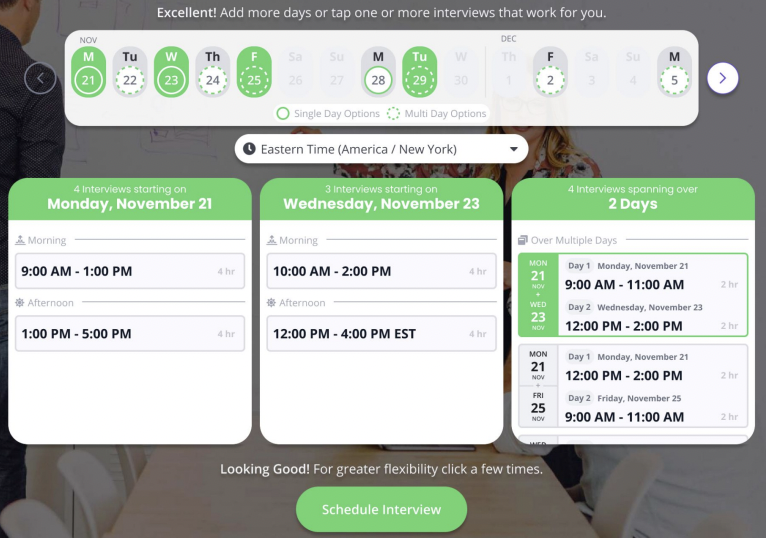
We’ve given “request availability” an upgrade. Since your availability may span more than one day, candidates can now submit their own availability over multiple days as well. This added flexibility allows candidates to get in the door days faster than before. What’s more, this comes neatly packaged in a new interface, complete with your company colors and background information.

Dashboard Improvements

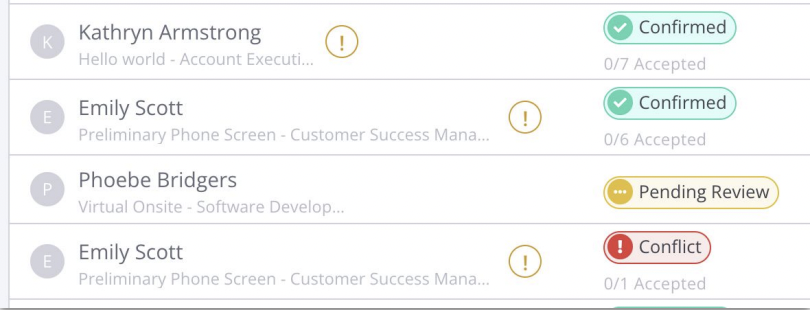
The dashboard just got a makeover, and it’s looking sharp. We’ve completely renovated it to show essential information, including the number of accepts and declines, the role in question, and the stage for each candidate. These updates effectively save time, reduce errors, and foster transparency.

Auto-replace Interview Trainees

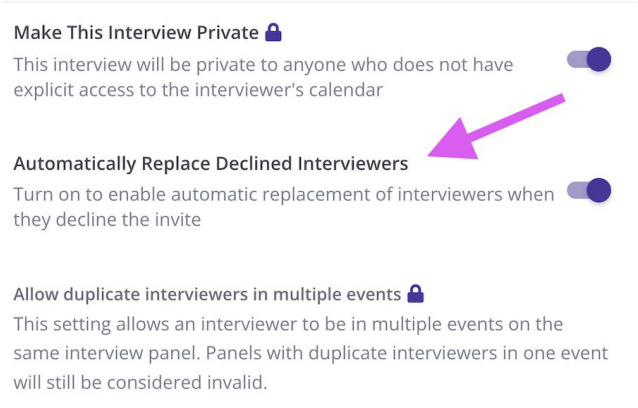
We get it, unexpected things come up. GoodTime can automatically replace your declined interview trainees with someone who is available that has the same tag or is qualified for the same training path. You’ll be able to maximize the interview training capabilities of your organization, save hours of repetitive work, and interview more people than ever before. 

Training Path Auto-enrollment

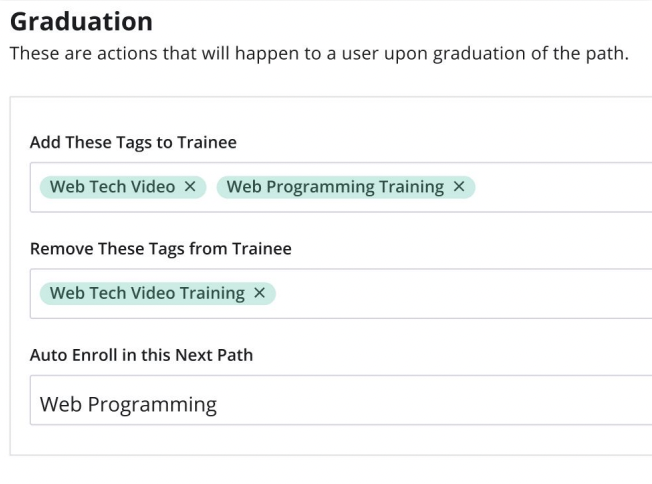
Create a chain of interview training paths by setting up auto-enrollment. Once a trainee graduates, they’ll be automatically enrolled in the next path of your choice, and outdated tags can be automatically removed. With eligible trainees now able to quickly complete multiple training paths, you’ll be able to graduate them faster and watch your interviewer pool grow quicker.

Other Notable Updates

  • Bulk Scheduling: Will be enhanced for Workday customers
  • SuccessFactors: Will be fully supported by GoodTime
  • Workday: Integration will be further streamlined

GoodTime Hire for High Volume Updates

Introducing: the new GoodTime Hire vertical for high-volume scheduling. The Hire scheduling that you know and love can now be done at scale along with SMS support through the Chrome extension.

WhatsApp Communication

Keep top talent engaged by communicating and sending interview scheduling requests to candidates over WhatsApp. This feature is especially useful when interviewing international candidates.

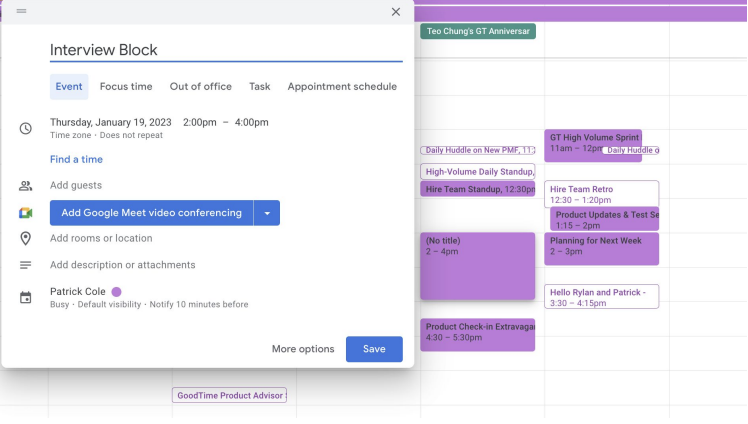
Interview Blocks

Designate specific interview blocks using calendar events. When these interview blocks are used, GoodTime will only search these blocks to show availability to candidates. 

Notifications

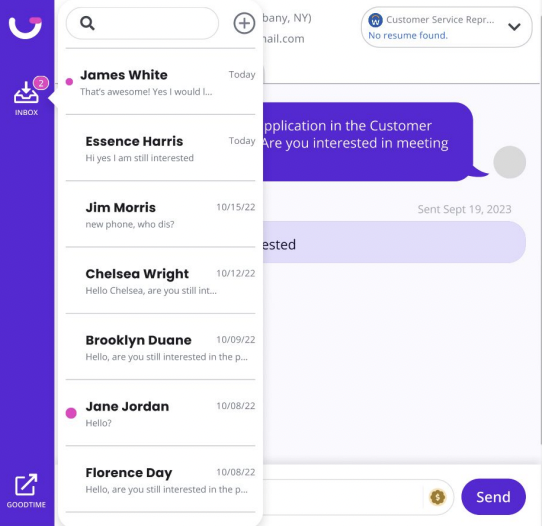
Staying on top of status updates when you’re juggling multiple candidates can be hard. By receiving notifications in the Chrome extension, you can easily see when you have new messages from candidates and when they’ve scheduled interviews.

GoodTime Meet Updates

We’ve created a new way for your company to upskill and mentor employees, enabled in-app messaging, and more.

Meet Connect

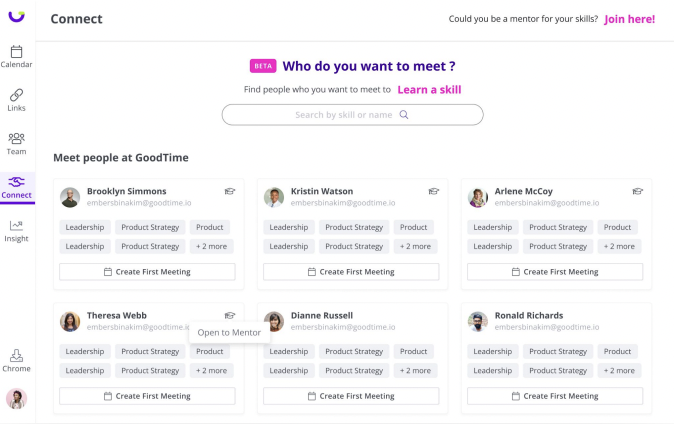
It’s time to get acquainted with Meet Connect. Meet Connect makes it easy for you to connect with other people at your company. Whether you’re looking for a mentor, picking up a new skill, or grabbing coffee with someone who has a shared interest, Meet Connect makes it easier than ever to connect with those that matter.

Profile Pages

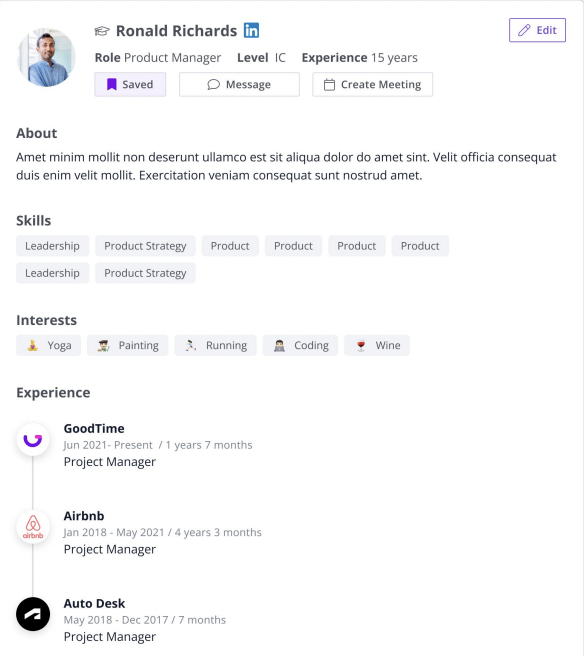
Getting to research and vet potential mentors helps to create a fruitful mentee-mentor relationship. Connect search now features member profiles that give details on experience, areas of expertise, and interests. This helps enrich the search experience with more details on viable mentors.

Messaging

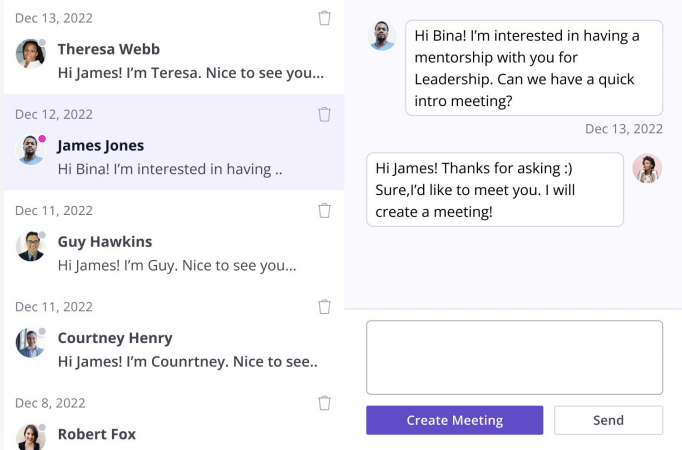
Need to check on something before scheduling a meeting? In-app messaging makes it easy for you and your team to communicate quickly before scheduling meetings. That means no more jumping in and out of different applications to get a meeting on the books.

Other Notable Updates

  • Cost Center Admins: Add additional cost center admins that can manage users
  • Connect Mentorship Goals: Set goals for your mentorship programs that keep track of mentor and mentee progress
  • Connect Mentorship Reviews: Allows mentees to leave reviews on their mentorship experience
  • Premium Access Sharing: Allow users to invite their friends, colleagues, and co-workers to join Meet. Invitations come with a free one-month trial of Meet and also gift the sender a week of free Premium as well.

Not Part of the GoodTime Family Yet?

It’s time to change that. With GoodTime, you can get better outcomes from your company’s most important meetings. For interviews, GoodTime Hire helps you schedule 40% faster, hire 50% more efficiently, and 5x team productivity. (Seriously.) For every other meeting, GoodTime Meet allows you to take complete control of your calendar with free, flexible scheduling for hybrid and remote teams.

Learn more about how Hire can transform your interview scheduling.

Learn more about how Hire for High Volume can revolutionize your high-volume hiring.

Learn more about how Meet can revamp your meeting scheduling.

Goodtime and Uber for Business: Going the Extra Mile for Candidates

Who doesn’t love an integration announcement? We’re excited to announce our collaboration with Uber for Business to help talent teams further automate the interview process and reduce time-to-hire while delivering a perk-enhanced candidate experience.

Revving up the Interview Process With GoodTime and Uber for Business

This collaboration is a first for Uber For Business in the HR and recruiting industries; we’ll try to contain our excitement. With the GoodTime and Uber for Business integration, talent teams can wow candidates before the interview process even begins. The integration allows companies to include vouchers for rides and meals with Uber for prospective hires in their interview calendar invites.

“Going the extra mile to offer vouchers for rides and meals shows candidates you care about their experience holistically. Demonstrating a people-first approach from the start helps to differentiate your company from the competition.” 

Susan Anderson, Global Head of Uber for Business

Regardless of if it’s an onsite or remote interview, candidates get to enjoy a never-before-offered experience. For onsite interviews, talent teams can offer vouchers for rides with Uber to get candidates to the office. For remote interviews, candidates can enjoy vouchers for meal deliveries with Uber Eats for a “lunch on the company” experience. 

The integration can be leveraged directly in GoodTime to help recruiting coordinators offer vouchers to candidates. GoodTime automatically adds vouchers to email invitations so that candidates have everything they need conveniently in one itinerary.

“The fastest hiring team offering the best experience typically gets the best candidates. For the first time in HR tech, GoodTime and Uber for Business offer that,” said Ahryun Moon, co-founder and Head of Company Strategy for GoodTime. 

Candidate Experience: More Critical Than Ever

Today’s job seekers don’t want smoke and mirrors; they expect transparency, trust, and deep connections. When companies cater to candidates, it pays off in big ways: companies that take a human-centered approach to talent acquisition are twice as likely to achieve financial success. 

And in today’s tight labor market, where great candidates are hard to come by, refining the candidate experience is mission-critical to hiring (and keeping) the right people. 

A perk-enhanced experience makes candidates feel confident that a company values them. But the benefits of uplifting the candidate experience don’t stop there:

  • Greater access to top talent. Even if a candidate doesn’t receive an offer letter, having a positive experience during the hiring process makes them more likely to consider your company in the future. This leads to a stronger applicant pool and a continuous stream of talent.
  • Improved employer brand. Your company’s reputation is everything; no one wants to work for a company with a bad track record. Candidates are more likely to speak positively about your brand to others—and attract more applicants in the process—if they had a pleasant hiring experience. 
  • Increased employee retention. Candidates who have a positive experience during the hiring process are more likely to feel valued and connected to your company. But even more than that, this can lead to higher levels of job satisfaction and a lower risk of turnover. 

Deliver Five-star Candidate Experiences Today

In an era where landing top talent is harder than ever, the seamless, innovative experience found in the GoodTime and Uber for Business integration elevates candidate engagement and provides a best-in-class experience from the very first touchpoint.

Learn more about GoodTime and get a demo of the Uber for Business integration.

Upgrade your hiring journey with AI

GoodTime’s AI agents orchestrate the entire hiring journey — screening, scheduling, messaging, and more — so talent teams hire faster with a better candidate experience.

What I Learned As An Undercover Recruiting Coordinator

At the beginning of GoodTime’s inception, Co-founder and Head of Company Strategy Ahryun Moon went undercover to understand the life of a recruiting coordinator and better inform GoodTime’s creation. These are her findings.

Early in my career, I was a corporate financial analyst in Austin, TX. I spent hours scanning endless numbers in Excel sheets on a typical day. I wanted to spend time on the interesting parts of my job—thinking strategically and providing financial advice to my team.

So, I taught myself how to code, and within a few months, I built software that reduced two months of numbing manual work into two hours of computer work. That program was widely adopted where I worked and my finance colleagues loved it. It was a eureka moment for me; I packed up and left Austin for the tech world of San Francisco.

In San Francisco, we met a tech recruiter who lamented the fact that she spent over half her day scheduling interviews (talk about a productivity time sink). It reminded me of my days as a financial analyst when I did tedious tasks that should have been automated. I knew my team—Jasper, Peter, and I—could help. Thus, the interview scheduling platform known as GoodTime was born.

We created a beta version, and some amazing companies were willing to give it a test run. Yelp was one of our early adopters, and they gave us fantastic feedback. Still, we knew we wanted to dig deeper into the world of recruiting to find solutions to problems we didn’t even know existed. We needed to fully understand the talent acquisition experience for ourselves.

Unlock 2026’s top hiring strategies: Insights from 500+ TA leaders

Be the first to uncover deep hiring insights specific to your sector — straight from the highest-performing TA teams.

Going Undercover (It’s a Legit Strategy)

That’s when the team agreed I’d hack a career path, make a bold move, and go undercover as a recruiting coordinator. And yes, being undercover feels as good as it sounds—even when it’s in corporate offices.

GoodTime had established a Customer Advisory Board. They’re talent leaders from excellent companies that provide advice about our product and make requests or recommendations based on their experience with the software. I went to the talent operations manager at one of the board’s mid-sized companies, which was on a high-growth trajectory.

I told her I’d volunteer as a part-time recruiting coordinator to learn all the problems in the field. She was short-staffed, so she happily made the arrangements. The staff didn’t know me and I didn’t want them to know I had any connections to the management team. I wanted a real, unfettered view into the issues recruiting coordinators face, even the ones their managers didn’t necessarily hear about.

It Was an Incredible Opportunity to Step Into Our Users’ Shoes

For those who don’t know, recruiting coordinators are the people who schedule your interviews, greet you at the lobby on site, reimburse you for hotels and flights, and send you updates about your application. You’ve probably thought of them as recruiters, but they were actually recruiting coordinators.

Despite knowing the general outline of their jobs, I had no idea what to expect on my first day. I had a brief meeting with the talent operations manager and a lead recruiting coordinator to learn more. During my first week, I spent most of my time in training sessions with several other new hires. Then, I spent another week shadowing every member of the recruiting coordination team.

I was an enthusiastic recruit, as I wanted to understand everyone’s approaches to scheduling and helping to fill open positions. The product manager in me was also thinking of the features we could add to GoodTime to help them. Along the way, I learned what they love about their jobs, which tasks are the most grueling, the career tracks they hoped to pursue, and everything in between.

After two and a half weeks, I was assigned to support a specific recruiter’s scheduling needs. That was a huge step for me; it was like getting the keys to the car for the first time. My recruiter supported one particular organization, so he taught me how it was structured and which hiring managers I’d interact with. He gave me pro tips about how to manage their personalities, scheduling priorities, and preferences, and outlined his own expectations.

Scheduling Is Wildly Complex. Wildly.

Whenever I’d pitch GoodTime to someone oblivious to the complexity of scheduling, I’d tell them it’s an NP-complete problem—that’s a decision problem that has no or no known easy solution. It’s quite challenging to create an engineering solution that scales for those types of problems. What’s more, I never understood the human side of this problem and the stress that goes along with getting hundreds of things right so an interview can go off without a hitch.

Two months in, I was neck-deep in scheduling interviews for my recruiter. Sometimes I made minor mistakes (mistakes happen—RCs are only human), like accidentally booking a room with one chair for an on-site interview, providing the wrong feedback form to an interviewer, and scheduling an interview on a company holiday. (Does your company take President’s Day off?)

Then One Day I Made a Huge Mistake!

My recruiter asked me to schedule the first round of phone interviews for an executive candidate. To be clear, he was a very important candidate. I felt confident I’d already made every mistake in the book and wouldn’t repeat any of them.

I followed the company’s process and found a few people who were eligible to conduct the interview. After a bit of calendar finagling, I came up with a schedule that worked.

The interview was booked! I sent a confirmation email with the interview details and itinerary to the candidate. And then rescheduling happened. Several times. After multiple reschedules, I made the fatal mistake of forgetting to send the candidate the final details of the rescheduled interview.

When the interviewers called the candidate, he wasn’t expecting their call. It was a major fail on my part.

Product idea alert: track reschedules and provide safeguarding features to prevent unfortunate mistakes from happening.

Come On! How Difficult Can Scheduling Be?!

Disappointed and stressed out, I met up with my good friend, J, who is the CTO at a successful startup in Silicon Valley. I told him about my stint as an undercover recruiting coordinator, then ranted about my painful mistake and how the job was incredibly stressful and thankless.

The fact is, scheduling-heavy professions are often stressful and under-appreciated jobs that depend heavily on small details. Typically, only the scheduler fully understands the complexity involved in coordinating just one interview. There are so many things that must be done right, which conversely means there are so many things that can go wrong. And if anything does go wrong, everyone notices it.

A few minutes into my rant, J said, “Oh s**t. I yelled at my RCs last week.” He continued (I’m now paraphrasing with his approval), “I was stressed out from a long, grueling day and found myself sitting in an interview room alone for 30 minutes. There was a miscommunication and the candidate didn’t show. I thought, ‘Come on! How difficult can scheduling be?!’ I realize I never appreciated interviews when they happened flawlessly. I feel soooo bad now.”

I told him (with a little exasperation in my voice, I’ll admit) that his recruitment coordinators deserved to hear that he appreciated their work. That they’re juggling amazingly convoluted schedules. That their job is so complex.

A Present for You…

If you’re a hiring manager or interviewer and want to show your recruiting coordinator team some love, here you go—a pre-composed thank-you note on us:

Dear [name(s)],

This is a thank-you note to say that your amazing work is recognized, and I appreciate the detail-oriented focus it takes to do it well. Thank you for keeping our pipeline filled with qualified candidates, making onsite interviews run smoothly, diligently solving endless scheduling puzzles, being open to feedback to improve our processes, creating an atmosphere of partnership with [name other companies or departments here], and generally being amazing. You give me great confidence in the ability of [your company name here] to execute and deliver outstanding recruitment processes and candidates.

[Your signature block here]

Instructions: Fill in the blanks. Send it out. Wait for smiles to roll in. Enjoy being a legendary boss.

Turn a Recruiting Coordinator Into a Strategist

Scheduling is one of a myriad of tasks that recruiting coordinators manage. It appears at every touch point of your interview process. It’s often the first interactive activity your recruiting team does with job candidates, so it has to go well.

Your coordinators also carry out and execute important initiatives around candidate relationship building, diversity and inclusion, interviewer training, and everything in between. They make the hiring process run smoothly. Those are incredibly demanding and time-consuming tasks, which is why most of your recruitment coordinators can hardly find time to do strategic work. And that’s a problem.

Let’s make every part of scheduling a non-problem in this field. GoodTime enables your teams to do so many things brilliantly:

  1. Function more efficiently (schedule interviews four to 10 times faster).
  2. Make fewer mistakes.
  3. Spend more time on strategic work.
  4. Offer a company-branded and customized candidate experience.
  5. Diversify interviewer panels to remove unconscious biases.

GoodTime lets your team achieve maximum hiring efficiency without removing the essential human connection from the recruiting process. And when that happens, your recruitment coordinators will have more time to dive into engaging work and create real growth and innovation at your company. That’s a win-win.

Hey, Recruiting Coordinator: Want to Effortlessly Schedule Interviews?

If you want to streamline your hiring process and get to yes faster, you need some extra firepower in your corner. You need GoodTime Hire.

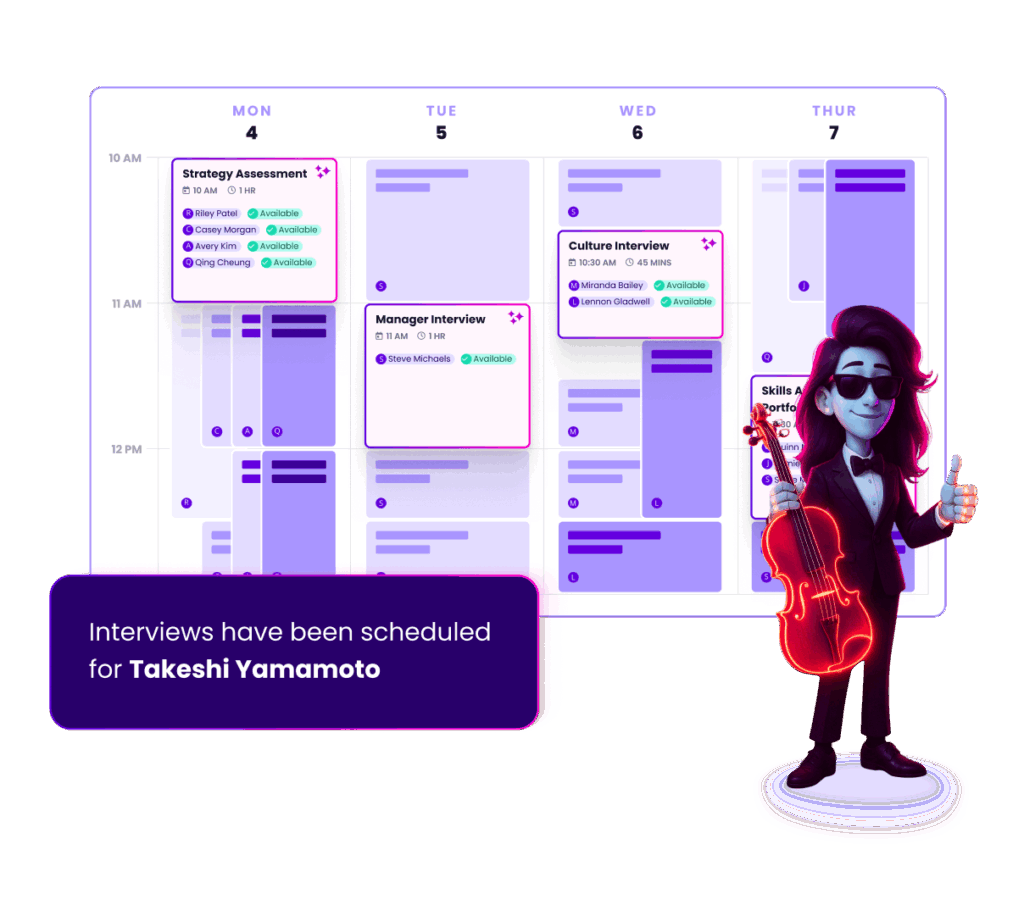
Hire helps reduce your time-to-hire, crush your goals, and deliver a seamless candidate experience. Hire automates the entire interview scheduling process to create the optimal schedule for candidates and interviewers and get to the offer stage faster than ever.


See how Hire can transform your recruiting process today.
Looking for Healthcare Recruiting Software? Use This Checklist

If you’re like most recruitment teams in healthcare, you’re feeling the pressures of the industry. Few recruiters, an abundance of open roles, and a major talent shortage create a perfect storm for today’s talent teams. And the secret to successfully navigating the rough waters? Enlisting the help of healthcare recruiting software.

The right technology allows healthcare recruiters to streamline their processes for efficiency and scale their interview volume—even when facing limited resources. But with a variety of software options out there, how can you ensure you’re investing in the right one? 

Use our 10-point checklist to help you choose the best healthcare recruiting software:

Unlock healthcare’s top hiring strategies in 2025

Our study of 105 healthcare TA leaders reveals how to hit your hiring goals in a challenging market.

2025 Hiring Insights Report

1. Compatibility With Your Existing Systems

First things first: the software that you choose should be compatible with your existing systems. You’ll want to ensure that the software can seamlessly integrate with your ATS and any other critical systems that help you move your recruitment process along. The last thing you want is the inability to use your current systems or to transfer your data between your old and new tech; that’s simply an unnecessary headache. 

2. Ease of Use

Software that’s intuitive and easy to use is a must-have.  This will help get your talent team up and running to use the tech quickly without intensive training. Scheduling conversations with the sales team to get a live demo and understand the product’s interface is a great way to gauge how user-friendly it is.

3. High-volume Features

Many healthcare recruiters find themselves faced with a revolving door of vacancies and endless roles to fill. Overcoming the challenges of high-volume hiring requires recruiting software with specific features. This includes bulk communication and scheduling, self-scheduling, and SMS recruiting, all designed to handle a high level of reqs and a large candidate pool.

Go beyond bandaid solutions to hit your healthcare hiring goals consistently

Automate your healthcare hiring process, increase candidate engagement rates, and fill open roles 50% faster.

4. Recruiting Process Automation

72% of employers predict that parts of their talent acquisition will be automated within the next decade—and we believe them. Automation is a recruiter’s best friend. It cuts down time-to-hire by reducing the time spent on tedious tasks, and when you’re an overburdened healthcare recruiter, an increase in bandwidth is always appreciated.

Look for tech that can automatically load balance interviews and select interviewers, schedule interviews, generate communications, and send out calendar invites and reminders to candidates and interviewers.

5. Reporting and Analytics

Your healthcare recruiting software should give you visibility into the metrics that you need to succeed. For starters, you’ll want to have access to a robust analytics dashboard to reference the status of candidates and see where they’re at in the talent acquisition funnel. Software that also allows you to view data on your hiring team, such as each RC’s total schedules, provides your team with even more valuable insights to use when refining your operations.

6. Customization and Personalization Options

It’s also wise to look for software that offers customization and personalization options. Note: your new software should automate all customizing and personalizing to avoid creating more work for yourself. Even when sending out quick text messages to healthcare applicants, adding a bit of personalization to your messages via custom communication templates goes a long way in uplifting the candidate experience. 

7. Branding Abilities

Want to maintain a consistent brand image throughout your recruitment process? Then you’ll want to look for software that allows you to customize the branding and appearance of the platform. This may include adding your company logo, choosing your own color scheme, and adding company photos.

8. Security

Security is a top concern regarding software, and it’s especially important for an industry as scrutinized as healthcare. You’ll want to do thorough research to ensure that the software you choose has robust measures in place to protect user information and maintain data security. Look for information on how your team can manage users, permissions, and login to the software, and what access users get with regard to sensitive information and calendars. 

9. Customer Support and Services

It’s a good idea to consider the level of customer support offered by the software vendor. Onboarding new tech isn’t always a cakewalk; you’ll want access to experts that can guide your success from day one and help you maximize your ROI. Access to an appointed customer success professional and technical support will help you ramp up your team quickly and resolve any issues that arise.

10. Pricing

And then there’s the elephant in the room: pricing. Yet conversations on pricing should go beyond discussing what your team is willing to spend. You don’t just want software that fits within your budget; you want software that gives you the highest ROI possible. But how do you determine this? It’s time to research.

Sift through customer testimonials and reviews on popular software review sites, such as G2, that illustrate the output that a particular software generated for other talent teams. Pay careful attention to companies that also fall under the healthcare umbrella to more closely predict how your own team might fare if you invested in the software. 

Heal Your Hiring Process With Healthcare Recruiting Software

By taking the time to carefully evaluate each of these factors, you’ll ensure that you choose the right healthcare recruiting software for your organization’s specific needs and goals. But we get it—it’s hard to feel confident in investing in software when there are so many elements to consider and so many options on the market. 

With GoodTime Hire, healthcare companies feel confident that they can meet their business needs. Hire helps healthcare recruitment teams schedule interviews for roles up to 67% faster. 

Text Recruiting: The Ultimate Guide

If you’re unfamiliar with text recruiting, then buckle up; it’s time to catch you up to speed. Recruiting via SMS effectively meets candidates where they are in today’s fast-paced, mobile-friendly world. It’s an efficient way for businesses to quickly get in front of busy candidates and tackle a high volume of reqs.

In this guide, we’ll cover everything you must know for successful text recruiting and provide best practices for incorporating this approach into your recruitment process. 

What Is Text Recruiting?

Text recruiting involves using text messaging to communicate with candidates and facilitate the hiring process. It can be used in a variety of applications, including scheduling interviews, sending quick updates, and answering candidate questions.

It’s a great way to reach a large pool of candidates in a short amount of time with quick, convenient communication. While recruiting via email and phone calls might’ve been the norm in the past, the tides are shifting; nearly 66% of candidates consider it acceptable to be contacted by a recruiter via text.

Advantages of Text Recruiting

Need some more convincing before you get on the text recruiting train? There’s a wide range of advantages to SMS recruitment. Here are just a few:

More Convenient for Candidates

When it comes to the most convenient communication channel, text messaging wins by a landslide. Recruiters texting candidates experience response rates of 60% to 70%. For job seekers who don’t have access to email throughout the day, such as those in manufacturing and healthcare, SMS may be the only channel that they check frequently.

Improved Hiring Process Efficiency

Acting too slowly in communication with talent strikes a blow to your hiring efficiency and might even cause candidates to lose patience and seek out other opportunities. Recruiters who use text recruiting software can reduce their time-to-hire and fill positions faster with quick, real-time responses. 

Greater Candidate Reach

Sending bulk texts to candidates is a game changer for overburdened high-volume recruiters. But regardless of if you use text recruiting for one-on-one conversations or bulk messaging, SMS recruitment allows you to reach large pools of candidates in no time. 

Upgraded Candidate Experience

Text message recruiting is a user-friendly way for candidates to communicate with your company. Making communication as streamlined and modernized as possible helps improve the candidate experience and makes your company more attractive to top talent.

Human-centric AI to crush your high-volume hiring goals

Engage candidates immediately via SMS and WhatsApp, harness instant bulk scheduling, and automate hiring workflows.

When To Use SMS Recruitment

When does recruiting via text come in handy? Here are several scenarios where texting candidates can efficiently move the hiring process along:

  • Interview scheduling: Say goodbye to scheduling delays. The convenience of text messaging makes coordinating interviews via text highly effective.
  • Sending candidates updates: Even if you don’t have major news to share, candidates appreciate being kept informed on their status in the hiring process.
  • Answering applicant questions: Candidates want to feel that your hiring team has their best interest in mind. Encouraging candidates to message any questions that they have about the process fosters trust and transparency.

Text is a great tool for initial communication and scheduling interviews, but it’s not the most appropriate channel for every stage of the hiring process. For instance, you may want to switch to a more personal communication channel, such as a phone call or a virtual meeting, for more in-depth conversations or for making a job offer.

Best Practices for Text Recruiting

Ready to reach hiring success at scale? Here are several tips to keep in mind when introducing text recruiting into your hiring process:

Before Your Initial Outreach

  • Get permission first: Don’t text candidates without their consent. One of the easiest and most common ways to get their permission is by getting them to opt-in to your SMS list or by including a contact number field on the job application form.
  • Keep it professional: Speaking in acronyms and spamming emojis might be normal for everyday texting, but text recruiting is a professional communication channel. Speak in plain, easy-to-understand language and leave the slang at the door. 
  • Communicate with brevity: Candidates don’t want to read essay-length texts (and personally, we don’t either). Text messages should be brief and to the point to encourage responses and avoid overwhelming candidates.
  • Make templates your friend: Leverage customizable templates for common messages, such as your initial outreach in scheduling an interview. This not only saves time but adds consistency to your communication.
  • Even texts must be proofread: Sending candidates text messages riddled with grammatical errors delegitimizes your outreach and whichever job posting you’re referencing. Proofread, proofread, proofread.
  • Get the timing right: Sorry, but candidates don’t want you to blow up their phones with texts at midnight. Take note of their time zone and keep your communication limited to business hours. 

After Your Initial Outreach

  • Respect a candidate’s time: A candidate might’ve seen your text, but that doesn’t mean they’ll respond right away. The ability to respond at whatever time is most convenient is the beauty of texting; be respectful of their time and avoid sending multiple messages all in one short period.
  • Be responsive and available: Candidates like it when recruiters go the extra mile to make them feel heard. If candidates have questions or concerns, make sure to address them in a timely manner. This demonstrates that you’re invested in their potential as a candidate.
  • Follow through: If you say you will send additional information or schedule a call, keep yourself honest and do so in a timely manner. This gives off the impression that you view your candidates as high priorities.
  • Know when to follow up: So you’re trying to schedule an interview with a candidate, and two days go by without any response back. Now that you’ve given them an appropriate window of time to respond, it’s time to follow up. Send a brief message asking if the candidate received your previous message and if they have any questions or concerns.

Add a Best-in-Class SMS Solution to Your Tech Stack

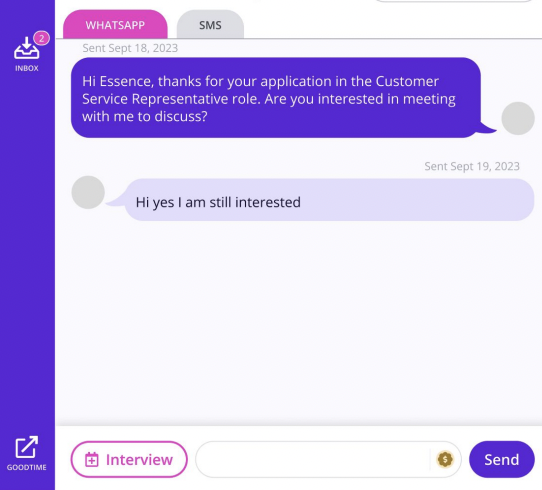
Successfully recruiting via text is a lot easier when you have the right text recruiting software by your side. GoodTime Hire’s SMS capabilities take high-volume hiring to the next level. Teams can contact candidates in seconds and schedule a time to meet without ever leaving the conversation.

Communicate one-on-one or through bulk texts, directly share your calendar availability and allow candidates to self-schedule interviews, and send automatic reminders to both candidates and interviewers. 

Learn more about GoodTime Hire’s texting and scheduling automation for high-volume hiring today.
Does interview scheduling automation make sense for my team?

ROI is key. This is not a time to invest in software that won’t bring you immediate value. So let’s eliminate the guesswork with our free ROI calculator.
What Recruiters Must Know About the (Still) Tight Labor Market

Think it’s no longer a tight labor market? Think again. While the hiring landscape is constantly in flux, the shallow talent pool has remained consistent. When there’s a lack of candidates and an abundance of vacant roles, recruitment teams must think differently about the ways that they hire. Old processes and workflows cannot remain the same. 

Here’s what recruiters must know to successfully navigate this (still) tight labor market, make the most of their candidate pipeline, and fill their vacancies.

Population Ages and Labor Supply Shrinks

People are aging out of the workforce in droves. In the next decade, the supply of working-age people in the U.S. will decline by 3.2%. The number of people over 65 years old will reach 1.3 billion in the next 20 years.

The aging population coupled with the pandemic’s lasting effects on the labor force creates a perfect storm. There are over 3 million fewer Americans in the labor force today than there were in February 2020. Even if every unemployed person in the U.S. found employment, there would still be 4 million open jobs. 

Unemployed workers who lost their jobs during the pandemic cite a variety of reasons as to why they haven’t returned to work. Some (27%) say that the need to care for their family members has made it difficult to return to the workforce, and others (28%) say that their own declining health stands between them and a new job.

What does all of this mean for talent acquisition professionals? In short, qualifying and hiring enough candidates to fill their vacancies won’t get easier anytime soon. 

It’s a Candidate’s Market—and You Must Adapt

With employers chomping at the bit to fill their vacancies, candidates have the upper hand. It’s not just a tight labor market—it’s a candidate’s market, and they have a robust wish list for recruitment teams and future employers.

What Candidates Want From the Hiring Process

Before candidates even consider accepting a job offer, candidates have specific expectations about the interview process. Whether the hiring experience lives up to expectations heavily dictates if talent teams can turn their offer into a “yes”:

  • Respect their time. Candidates want to interview at times that are convenient for them. They appreciate it when recruiting teams ask for their availability first. Scheduling a disruptive all-day interview leaves a bad impression; they’d rather interview in chunks scheduled across a week. 
  • Smooth out your process’s kinks. Speed and efficiency win candidates. They won’t stick around for a long, drawn-out hiring process. The more that you optimize your operations to deliver the most efficient experience possible, the better. (Hint: automation and standardization can help with that.)
  • Practice salary transparency. Waiting until the last moment to disclose a role’s salary is a risky move. Candidates want to do meaningful work, but they also want to be paid well in the process; they want to discuss dollar signs in early conversations to know if they’re wasting their time. 
  • Define what a “great work-life balance” means. Your job description might applaud your company for offering employees a work-life balance, but what does that really mean? Interviewers should come prepared to provide anecdotal evidence on how their company follows through on this promise. 
  • Show diversity through your interview panels. No one likes someone who’s all talk and no action. You can’t just say that you value DE&I—you have to show it. One way to do this is by ensuring that your interview panels consist of a diverse range of interviewers. This will give candidates a glimpse into the diversity of your company’s employees.

Does interview scheduling automation make sense for my team?

ROI is key. This is not a time to invest in software that won’t bring you immediate value. So let’s eliminate the guesswork with our free ROI calculator.

What Candidates Want From Their New Roles

Even after a candidate accepts an offer, talent acquisition professionals aren’t in the clear just yet. Acquisition and retention are two sides of the same coin, both equally important. 

If talent teams want to not only acquire but retain their new hires, they should get familiar with what candidates value in the workplace. Here’s how candidates rank their priorities:

  1. Compensation & benefits
  2. Work-life balance
  3. Remote & flexible work arrangements
  4. Opportunities for upskilling
  5. Opportunities for career advancement
  6. Work that creates a real impact
  7. Job security
  8. Happy coworkers
  9. Helpful management
  10. Culture of innovation

Ways To Widen the Talent Pool You (Likely) Haven’t Tried

What’s a talent team to do when there’s a shortage of qualified candidates? Have no fear—there are several strategies for widening the candidate pool that you likely haven’t tested:

  • Emphasize university recruiting. As older employees leave the workforce, new graduates enter it. Young prospective workers with fresh skills and perspectives are viable targets for recruitment teams in a talent drought. 
  • Give returning citizens a chance. With recruiting teams scrambling to find talent, more companies are providing opportunities to formerly incarcerated individuals. While workers with criminal records face negative biases, research shows that they tend to have longer tenures and are less likely to voluntarily quit their jobs. 
  • Hire across the globe. Candidates are hungry for remote work—and your talent team is hungry for candidates. To meet in the middle, consider hiring remote candidates. We know, remodeling to accommodate remote talent is a big lift, but boy does it pay off. 
  • Prioritize continuous candidate engagement. Practicing continuous candidate engagement means engaging and re-engaging candidates before, during, and after the hiring process. You’ll have a pool of quality, pre-vetted candidates to consider for opportunities. This way, you won’t have to source new candidates every time a role opens up. 

Thrive in the Tight Labor Market With Quality Recruiting Tech

Still scratching your head and wondering how to succeed in today’s tight job market? The right recruiting tech can alleviate all of your hiring headaches in one fell swoop. 

GoodTime Hire allows you to maintain a high-quality candidate pipeline, move fast on the best talent, and effortlessly crush your hiring goals. Hire automates the entire interview scheduling process to create the optimal schedule for candidates and interviewers and get to the offer stage faster than ever.

Discover how Hire’s interview scheduling software can transform your recruiting process today.